
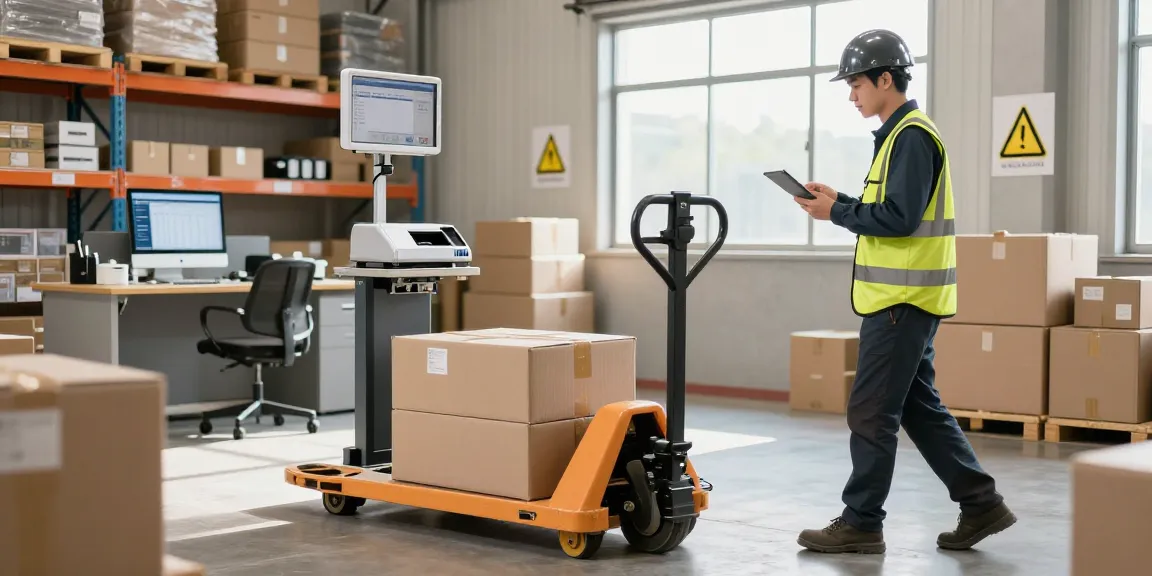
Understanding the Manual Pallet Truck with Scale and Printer
In the ever-evolving landscape of warehouse operations, the manual pallet truck with scale and printer has emerged as a game-changer, enhancing efficiency and accuracy in material handling. These trucks allow operators not only to transport heavy loads but also to weigh them on the spot, streamlining the processes of inventory management and shipping. When exploring options, Manual pallet truck with scale and printer provides comprehensive insights into the benefits and functionalities of these indispensable tools.
What is a Manual Pallet Truck with Scale and Printer?
A manual pallet truck with a scale and printer is essentially a hydraulic pallet jack equipped with a digital scale integrated into its design. This innovation allows users to weigh pallets as they are lifted, providing immediate feedback on load weights. The printer feature then enables users to generate labels or documents that can be used for shipping or record-keeping, ensuring a smooth workflow within the warehouse.
Key Features and Benefits for Warehouse Operations
- Real-Time Weight Measurement: Operators can instantly obtain weight readings, eliminating the need for separate weighing processes.
- Improved Inventory Control: With the ability to weigh loads at the point of handling, accuracy in inventory levels is maintained.
- Enhanced Efficiency: Save time by combining lifting, transporting, and weighing into one operation.
- Document Generation: The integrated printer can produce shipping labels or weight tickets right on the spot.
- Durability: Built tough to handle heavy loads, these pallet trucks are designed for long-term use in demanding environments.
The Importance of Accurate Weight Measurement
Accurate weight measurement is critical in warehouse operations for several reasons. First, it ensures compliance with shipping regulations, as many carriers have strict weight limits. Second, overloading equipment can lead to mechanical failures and safety hazards, risking both the equipment and the operators. By investing in a manual pallet truck with an integrated scale, warehouses can maintain operational safety and efficiency while avoiding costly mistakes.
Choosing the Right Manual Pallet Truck
Selecting the best manual pallet truck can significantly impact your warehouse’s efficiency. Here are essential considerations to ensure you make the right choice when evaluating options in the market.
Factors to Consider When Selecting a Manual Pallet Truck
- Weight Capacity: Determine the maximum load your warehouse typically handles. Manual pallet trucks come in various capacities, so choose one that meets your operational needs.
- Fork Length: Standard fork lengths vary, and the right size will depend on the types of pallets you regularly use.
- Wheels and Mobility: Consider the surface of your warehouse floor. Larger wheels are often better for rough surfaces, while smaller wheels may suffice for smooth floors.
- Scale Accuracy: Ensure the scale provides precise measurements within acceptable tolerances for your operations.
- Additional Features: Look for features like ergonomic handles or adjustable forks, which can enhance usability and comfort during operation.
Comparative Analysis: Manual vs. Electric Pallet Trucks
While both manual and electric pallet trucks are essential for modern warehouses, each has unique advantages. Manual pallet trucks are typically more affordable and easier to maintain, making them ideal for smaller operations or those handling lighter loads. Conversely, electric pallet trucks reduce the physical strain on operators and are better suited for heavy lifting and high-volume tasks. Balancing these factors against your specific needs will help you make an informed decision.
Best Brands and Models for 2026
As we look ahead to 2026, several brands continue to lead the market in manual pallet trucks with integrated scales. Some notable mentions include:
- Handpal: Known for durability and innovative features.
- RAVAS: Offers a wide range of options, including various capacities and scales.
- WESCO: Provides reliable trucks with user-friendly designs.
- Hyster: Their manual trucks are robust and built for heavy-duty environments.
- Texlift: A strong contender focusing on high-performance models tailored for efficiency.
Operational Efficiency in Warehousing
Operational efficiency is the lifeblood of any successful warehouse. By integrating the right equipment, such as manual pallet trucks with scales, you can significantly increase productivity and reduce errors.
Maximizing Warehouse Productivity with the Right Equipment
Efficiency can be maximized in various ways, including:
- Streamlined Workflows: Implementing equipment that reduces handling time can speed up order fulfillment.
- Employee Training: Equipping your workforce with the knowledge to use manual pallet trucks effectively can minimize accidents and improve throughput.
- Regular Equipment Maintenance: Keeping machinery in optimal condition prevents downtime and extends the life of your equipment.
Common Challenges in Manual Handling and Solutions
Manual handling can present several challenges, including physical strain and potential accidents. Solutions include:
- Ergonomic Design: Choosing equipment designed for comfort and ease of use can reduce injury rates.
- Regular Breaks: Allowing employees to take breaks can help prevent fatigue-related errors.
- Efficient Layout: Organizing the warehouse layout for minimal travel distances can further enhance operational efficiency.
Case Studies: Successful Implementations
Numerous companies have successfully implemented manual pallet trucks with scales into their operations:
- ABC Logistics: Improved inventory accuracy by 25% after integrating weighing functionality into their operations.
- XYZ Distribution: Reduced processing time by 30% through real-time weight measurements, allowing for quicker shipping decisions.
- 123 Manufacturing: Minimized errors in outbound shipments, resulting in improved customer satisfaction rates.
Safety Standards and Best Practices
Safety is paramount in warehouse operations, and understanding safety standards is essential for using manual pallet trucks properly.
Understanding Safety Regulations for Manual Handling Equipment
Occupational Safety and Health Administration (OSHA) outlines various regulations regarding manual handling, emphasizing the need for training and proper equipment. Compliance not only protects employees but also benefits the business through reduced insurance costs and liability risks.
Training Employees on Safe Usage
Employers should invest in thorough training programs that cover:
- Proper Lifting Techniques: Teaching employees how to lift safely can minimize injuries.
- Equipment Operation: Detailed training on how to use manual pallet trucks effectively is crucial for maintaining safety.
- Emergency Procedures: Employees should know what to do in case of an accident or injury.
Maintaining Equipment for Optimal Performance
Regular maintenance of manual pallet trucks, including checking the hydraulic system and scale calibration, is essential for ensuring optimal performance. Scheduling routine inspections can prevent unexpected breakdowns and accidents, keeping operations running smoothly.
The Future of Manual Pallet Trucks in Warehousing
As we look toward the future, manual pallet trucks will continue to evolve alongside industry trends and technological advancements.
Emerging Trends for 2026 and Beyond
Several trends are shaping the future of manual pallet trucks:
- Automation Integration: Increasingly, manual pallet trucks are becoming equipped with automation features to further enhance efficiency.
- Data Analytics: Companies are leveraging data from equipment to optimize processes and make informed decisions.
- Sustainability: The industry is moving toward more sustainable materials and practices, including energy-efficient manufacturing.
Technological Advancements in Manual Handling Equipment
Innovation in materials and technology will continue to improve the design and functionality of manual pallet trucks, including lighter materials for easier handling and enhanced scales for more precise measurements.
Expert Insights on Warehouse Automation
Industry experts suggest that the integration of manual and automated systems can create more adaptable and resilient warehouse environments. By focusing on training and an understanding of new technologies, warehouses can secure a competitive edge in a rapidly evolving market.
What are the advantages of using a manual pallet truck with scale and printer?
The advantages include improved accuracy in inventory management, enhanced operational efficiency, and real-time feedback on weight measurements, which aid in compliance with shipping regulations.
How often should manual pallet trucks be maintained?
Manual pallet trucks should be inspected regularly, ideally once a month, to ensure they are functioning properly and to identify any wear and tear before it becomes a problem.
Are manual pallet trucks suitable for all warehouse sizes?
Yes, manual pallet trucks can be used in various warehouse sizes. Smaller operations can benefit from their affordability and ease of use, while larger warehouses can use them for specialized tasks.
What safety features should I look for in a manual pallet truck?
Look for features such as ergonomic designs, safety brakes, and high visibility indicators to ensure safe operation and handling in the warehouse.
How does a scale enhance the functionality of a manual pallet truck?
A scale enhances functionality by allowing for immediate weight verification during transport, effectively streamlining the process of loading and tracking inventory.