Understanding the Role of a Manhattan Commercial General Contractor
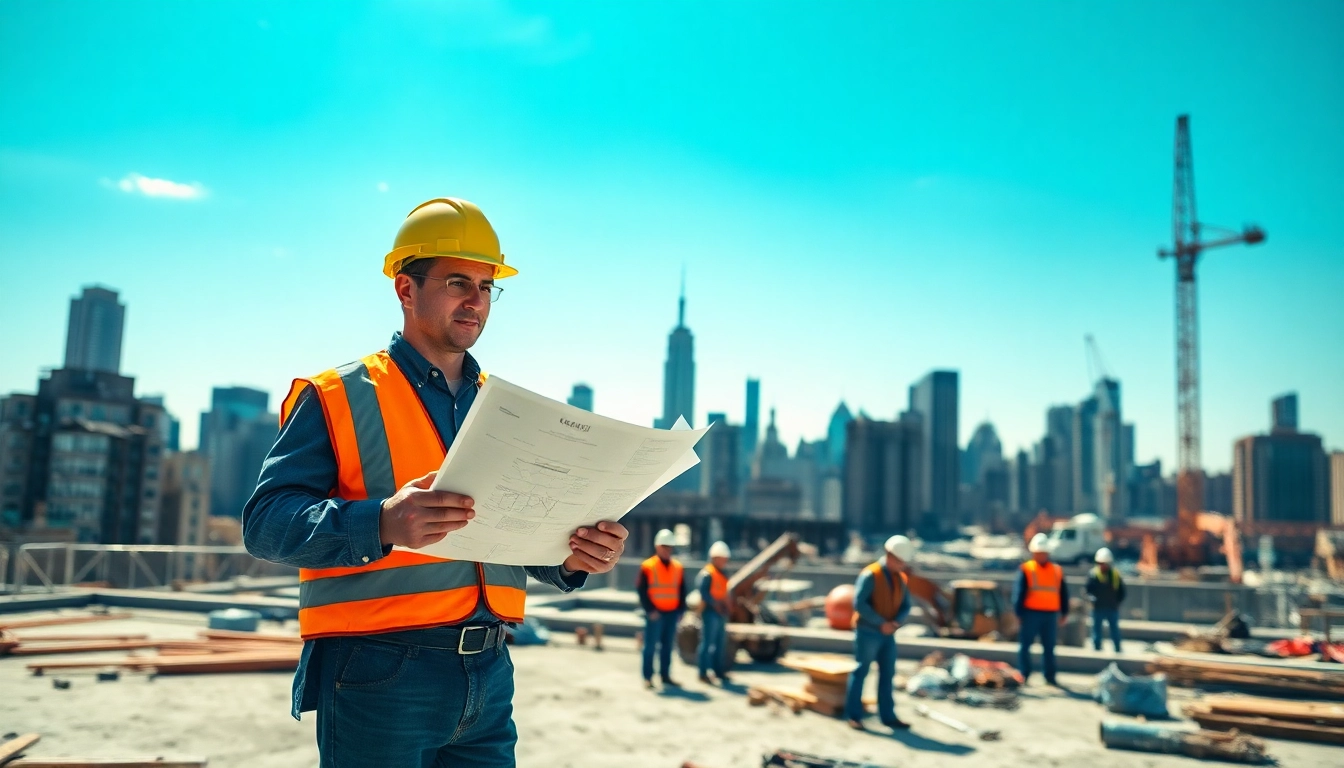
A Manhattan Commercial General Contractor plays a pivotal role in the successful execution of construction projects in one of the busiest metropolitan areas in the world. They serve as the primary link between various stakeholders, managing every phase of a project from inception to completion. Understanding the nuances of their role is essential for anyone involved in or considering engaging with the construction industry in Manhattan.
Key Responsibilities of a Contractor
The responsibilities of a Manhattan Commercial General Contractor are extensive and varied. At first glance, their role may seem solely focused on the construction process, but it encompasses much more than that.
- Project Planning: They develop detailed project plans, schedules, and budgets, ensuring all tasks align with the overall project goals.
- Supervision: They oversee daily operations, coordinating between subcontractors, suppliers, and the project owner to ensure that everyone stays on schedule.
- Compliance: The contractor ensures that all work complies with local building codes, regulations, and safety standards to avoid costly legal issues.
- Budget Management: They manage financial aspects, ensuring costs do not exceed budget and that resources are allocated efficiently.
- Quality Control: Regular inspections and assessments are conducted to ensure the work meets the required standards.
Impact on Project Success
The impact of a skilled Manhattan Commercial General Contractor on a project's success cannot be overstated. They serve as the backbone of the project, ensuring that all elements come together seamlessly. A competent contractor can significantly reduce the likelihood of delays and unexpected costs, thereby improving overall project outcomes.
By employing strategic planning and effective management practices, they help to mitigate risks and proactively address any challenges that arise during construction.
Collaborative Workflow with Stakeholders
In Manhattan’s fast-paced construction environment, collaboration is key. A commercial general contractor must not only interact with subcontractors and suppliers but also engage with architects, engineers, and clients. This collaborative relationship streamlines communication, enhances problem-solving, and fosters a more cohesive project execution process.
As they facilitate constant updates and feedback loops, stakeholders are kept in the loop, ensuring that expectations are aligned and any potential misunderstandings are promptly addressed.
Essential Skills for a Manhattan Commercial General Contractor
The demands of being a Manhattan Commercial General Contractor require a diverse skill set that extends beyond technical expertise in construction. The following skills are crucial for effective project execution.
Project Management Expertise
Project management is at the core of a contractor's responsibilities. This includes skills such as time management, team coordination, monitoring project progress, and making adjustments as necessary. Proficient contractors often use industry-standard project management software to streamline their processes, allowing for real-time tracking of project timelines, budgets, and resource allocation.
Communication and Leadership Skills
Effective communication and strong leadership are paramount for a successful contractor. They must articulate project goals, assign tasks, and resolve conflicts among team members efficiently. Leadership skills enable them to motivate their teams and foster a positive work environment, essential for maintaining productivity and morale on the job site.
Technical Knowledge in Construction
A deep understanding of construction techniques, materials, and engineering principles is fundamental for a Manhattan Commercial General Contractor. They must stay informed about the latest advancements in technology and techniques in the construction industry, ensuring that projects adhere to modern standards and methodologies.
Challenges Faced by Manhattan Commercial General Contractors
Despite the rewards, commercial general contractors in Manhattan face several unique challenges that can complicate their work and impact project outcomes.
Resource Management and Budget Constraints
Manhattan's construction market is characterized by rigorous competition and fluctuating costs. Contractors must navigate this landscape by meticulously managing resources and adhering to budgets. This may require practice in negotiating contracts with suppliers and subcontractors to secure the best prices while maintaining the quality of materials and labor.
Navigating Local Regulations and Permits
Manhattan has a complex web of building codes, zoning laws, and permitting requirements that can be daunting. Understanding these regulations is essential for ensuring compliance and avoiding delays caused by the need for rework or modifications due to noncompliance. A successful contractor will have established a reliable network of contacts within local government and regulatory bodies to facilitate the permit application process.
Dealing with Unforeseen Environmental Factors
The intricacies of urban construction mean that unforeseen environmental challenges, such as extreme weather, soil conditions, and existing infrastructure, can impact timelines and costs. Successful contractors must possess the ability to adapt and formulate contingency plans that account for these factors, ensuring that the project remains on track.
Best Practices for Effective Contracting in Manhattan
Adopting best practices can significantly enhance a contractor's efficiency and effectiveness in Manhattan's competitive landscape. Here are key strategies to consider.
Building Strong Relationships with Subcontractors
Establishing strong relationships with subcontractors is vital. These partnerships lead to better collaboration and often result in higher quality work. A good contractor takes the time to understand each subcontractor’s strengths and weaknesses, which fosters a more productive working environment.
Utilizing Technology for Project Management
In a fast-paced construction environment, adopting project management software tools can allow general contractors to streamline operations efficiently. Technologies such as Building Information Modeling (BIM), project management applications, and communication platforms enhance tracking, accountability, and collaboration across teams.
Implementing Safety Protocols on Site
Safety should always be a top priority on construction sites. Implementing robust safety protocols can prevent accidents and create a safer environment for workers. Regular training sessions and clearly defined safety procedures must be established and followed diligently.
Measuring Success as a Manhattan Commercial General Contractor
Success in the role of a Manhattan Commercial General Contractor is measurable through various metrics and performance indicators that reflect both project success and overall business growth.
Performance Metrics to Track
Contractors should track metrics such as project completion times, budget variances, and quality indices to assess their performance across projects. By establishing benchmarks for these metrics, contractors are better equipped to identify areas for improvement and streamline future projects.
Client Satisfaction and Feedback
Client satisfaction is a critical measure of success in construction projects. Gathering feedback through surveys and direct communication allows contractors to refine their services and better meet clients' needs. Nurturing ongoing relationships can lead to repeat business and referrals, which are vital for sustained growth.
Long-term Business Growth Strategies
For long-term success, Manhattan Commercial General Contractors must implement strategic growth plans. This might include diversifying service offerings, exploring new markets, or investing in professional development and training for staff. Keeping abreast of industry trends and adapting business strategies accordingly will also contribute to longevity and competitiveness in the market.
Frequently Asked Questions
What services does a Manhattan Commercial General Contractor provide?
A Manhattan Commercial General Contractor manages all construction phases, including project planning, budgeting, scheduling, and ensuring compliance with local regulations.
How do I select a reliable general contractor in Manhattan?
Look for a contractor with solid experience, positive client reviews, and a proven track record of successfully completed projects similar to yours.
What are common challenges for contractors in Manhattan?
Common challenges include navigating complex regulations, managing budget constraints, and adapting to unforeseen environmental factors like weather conditions.
How can technology improve contractor efficiency?
Technology, such as project management software and Building Information Modeling (BIM), enhances efficiency through better tracking and communication, ensuring streamlined operations.
What is the importance of safety on construction sites?
Safety is crucial to prevent accidents and injuries, protecting workers and minimizing liability. Implementing strong safety protocols fosters a secure working environment.