The Legacy of Grand Rapids Michigan Furniture Craftsmanship
Grand Rapids, Michigan, has long been regarded as a cornerstone of American furniture design and craftsmanship. Known as the "Furniture City," it boasts a rich history that combines innovation with traditional crafting techniques. This legacy is evident in the quality of handcrafted furniture produced in the area, particularly at companies like Lumber2Love, where every piece tells a story of dedication to craftsmanship and sustainable material sourcing. When exploring options, Grand Rapids Michigan furniture provides comprehensive insights into the best that local artisans have to offer.
Historical Overview of Furniture Manufacturing in Grand Rapids
The furniture industry in Grand Rapids began to flourish in the late 19th century, driven by the region’s abundant hardwood resources. Manufacturers capitalized on these natural assets, establishing a reputation for producing durable, stylish furniture that catered to both residential and commercial needs. Notable firms like the Grand Rapids Chair Company and Herman Miller emerged, embedding the city in the annals of furniture history. By the mid-20th century, Grand Rapids had earned its title as the "Furniture Capital of the World," with hundreds of manufacturers contributing to its booming economy.
Key Characteristics of Handcrafted Furniture
Handcrafted furniture from Grand Rapids is characterized by meticulous attention to detail, premium materials, and a commitment to craft. Each piece is often custom-designed to meet specific customer needs, ensuring that no two items are alike. This individuality is emphasized with:
- Durability: High-quality solid hardwoods provide longevity.
- Aesthetic appeal: Designers focus on creating visually pleasing forms that complement various styles.
- Functionality: Pieces are designed not just for looks but for everyday use, supporting the active lifestyles of modern consumers.
The Role of Sustainability in Modern Furniture Production
As environmental consciousness rises, the furniture industry has responded by adopting sustainable practices. In Grand Rapids, wood is sourced from sustainably managed forests, and many manufacturers embrace eco-friendly processes. Companies like Lumber2Love make this a priority, using locally sourced hardwoods and embracing recycling methods. This dedication to sustainability not only helps preserve our planet but also results in higher quality products that are free from harmful chemicals, ensuring that every piece is safe for families and the environment alike.
Custom Furniture: Tailoring to Your Unique Style
Customization is key in the furniture industry, especially in a region known for its artisan craftsmanship. Customers often seek out personalized pieces that reflect their personal style or match their home decor. This desire for customization is especially prominent in Grand Rapids, where consumers have access to skilled craftsmen who can create bespoke furniture solutions.
Why Customization Matters in Grand Rapids Michigan Furniture
In today's market, off-the-shelf furniture options frequently fall short of meeting consumer expectations. Custom furniture allows for the creation of pieces that are tailored specifically to fit unique spaces and preferences. In Grand Rapids, artisans understand this need, offering flexibility in design, dimensions, and materials. This approach not only enhances consumer satisfaction but also fosters a sense of personal connection to the furniture they choose for their homes or businesses.
The Process of Designing Your Custom Piece
The process of designing a custom furniture piece typically begins with a consultation. Here, clients discuss their vision, needs, and preferences with skilled designers. This collaboration ensures that every aspect—from size and shape to wood type and finish—aligns with the customer’s expectations. The steps usually involve:
- Initial Consultation: Discussing requirements and preferences.
- Design Drafting: Creating initial sketches and discussing materials.
- Final Approval: Adjusting designs until they meet the client's standards.
- Crafting the Piece: Skilled craftspeople begin the meticulous building process.
- Delivery: Final inspection and installation at the client's location.
Exploring Material Options: Hardwoods and Finishes
One of the most appealing aspects of custom furniture is the ability to choose materials. In Grand Rapids, artisans predominantly use solid hardwoods like oak, maple, and walnut due to their strength, beauty, and sustainability. Additionally, customers can select from a variety of finishes to achieve the desired look, from natural oils that highlight the wood grain to bold painted finishes. This variety ensures that every piece can be a perfect fit for any decor style.
Functional Furniture for Homes and Businesses
As the needs of consumers evolve, so do the designs of furniture created in Grand Rapids. Craftsmanship in this region is not limited to residential furniture; commercial spaces also benefit from the same level of care and customization. Both sectors demand furniture that combines style with function, especially in high-traffic environments.
Understanding the Needs of Residential vs. Commercial Spaces
When designing furniture for residential versus commercial spaces, several factors come into play. Residential furniture often focuses on comfort and aesthetic appeal, while commercial furniture must prioritize durability and efficiency. For example, restaurant furniture needs to withstand constant use while maintaining its visual appeal and comfort, resulting in designs that reflect both function and style.
Best Furniture Designs for Your Office or Restaurant
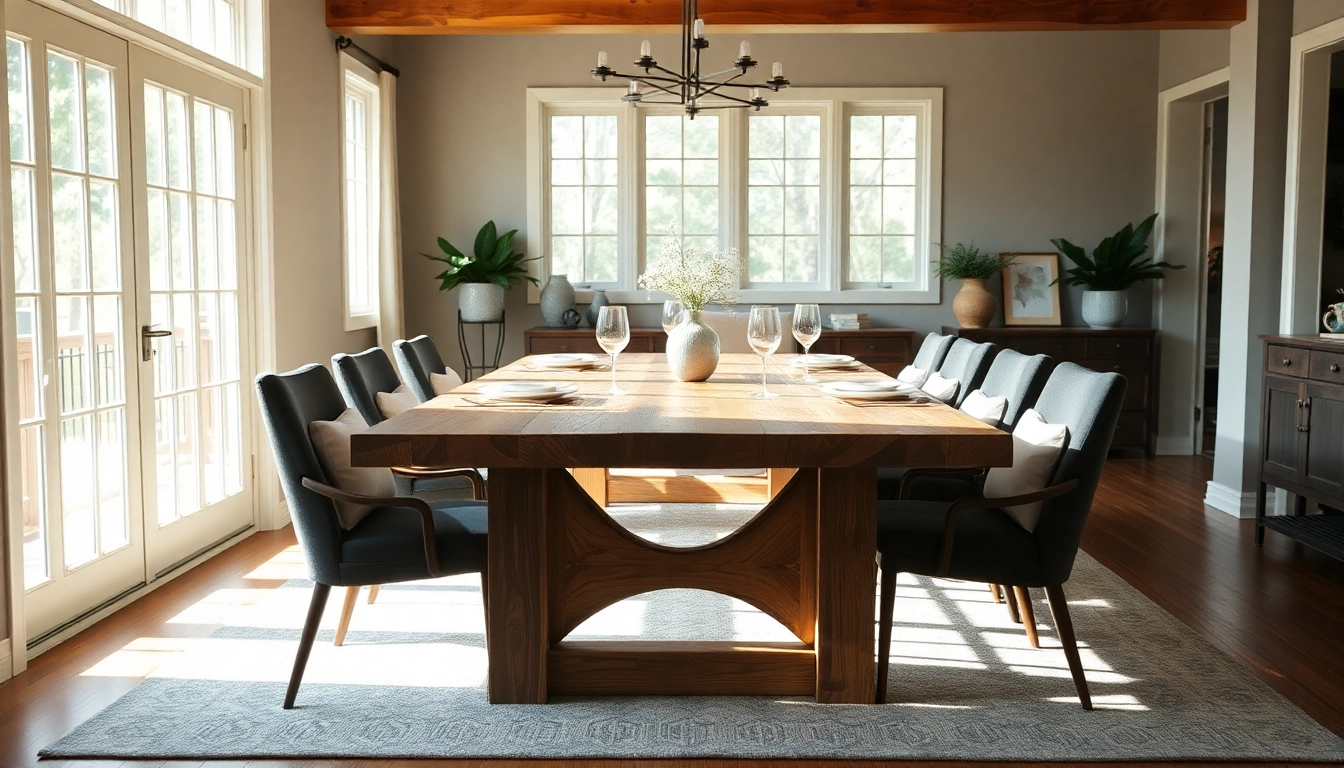
Functional furniture designs for offices and restaurants often feature versatile, multi-purpose elements. In an office setting, conference tables designed with smart power integration help to facilitate meetings by allowing easy access to charging ports and data connections. Restaurants benefit from cohesive design elements that create a memorable guest experience, with matching dining tables and seating that encourage community and conversation.
Integrating Smart Power Solutions in Conference Tables
Modern offices require cutting-edge technology that blends seamlessly with traditional design. The integration of smart power solutions in conference tables, such as concealed wiring channels and built-in charging ports, enhances functionality while maintaining a clean aesthetic. This innovative approach is becoming standard in many Grand Rapids designs, allowing for a streamlined workspace that meets the demands of contemporary business practices.
Choosing Quality: What to Look for in Handcrafted Furniture
Investing in handcrafted furniture is a significant decision that demands careful consideration. Quality pieces not only elevate the aesthetics of a space but also provide long-term value. Understanding what to look for in solidly built furniture can save you time and ensure a satisfying purchase.
Evaluating Material Quality: Solid Hardwoods vs. Veneers
One of the primary indicators of quality in furniture is the choice of materials. Solid hardwoods like oak and maple are known for their durability and resilience, making them ideal choices for furniture that will last for generations. In contrast, veneers often compromise on quality, offering less strength and longevity. Consumers should prioritize solid woods when considering their options to ensure a worthwhile investment.
Why Reviews Matter: Learning from Customer Experiences
Customer reviews are a valuable resource in the decision-making process. They provide insights into the experiences of others and highlight potential issues you might not have considered. When exploring custom furniture options, pay attention to testimonials regarding the craftsmanship, durability, and overall satisfaction. These reviews can guide you in choosing the right manufacturer or designer for your needs.
Common Myths about Custom Furniture: Debunking Misconceptions
Myths surrounding custom furniture often deter homeowners from making the investment. One prevalent misconception is that custom pieces are prohibitively expensive. In reality, while the initial cost may be higher compared to mass-produced options, the longevity and quality of well-crafted furniture often result in better long-term value. Another myth is that customization limits style; however, skilled craftspeople offer a wide range of design possibilities that can cater to any aesthetic.
Future Trends in Furniture Design and Craftsmanship
The furniture industry is continuously evolving, with emerging trends that incorporate technology, sustainability, and changing consumer preferences. As we look ahead to 2026, several key trends are shaping the future of furniture design.
Emerging Styles and Innovations in 2026
Minimalism continues to dominate design preferences, with clean lines and functional forms taking center stage. However, there is also a growing trend toward more eclectic combinations, blending vintage and modern styles. Materials such as reclaimed wood and sustainable fabrics are becoming increasingly popular, reflecting consumers' desires for environmentally friendly choices.
The Impact of Technology on Furniture Manufacturing
Technology is transforming the furniture landscape, from design software that enables detailed modeling to automation in the crafting process. Innovations such as 3D printing and augmented reality are changing how consumers interact with furniture design, allowing for virtual visualization before purchase. As these trends evolve, they will continue to influence consumer preferences and craftsmanship standards.
Preparing for the Future: What Consumers Can Expect
As we move towards 2026, consumers can expect even greater flexibility in customization options and a heightened focus on sustainability. The fusion of technology with traditional crafting methods will likely result in smarter designs that enhance functionality while also prioritizing aesthetics. Additionally, as the importance of ethical sourcing increases, manufacturers will strive to provide transparency regarding their production processes and materials.