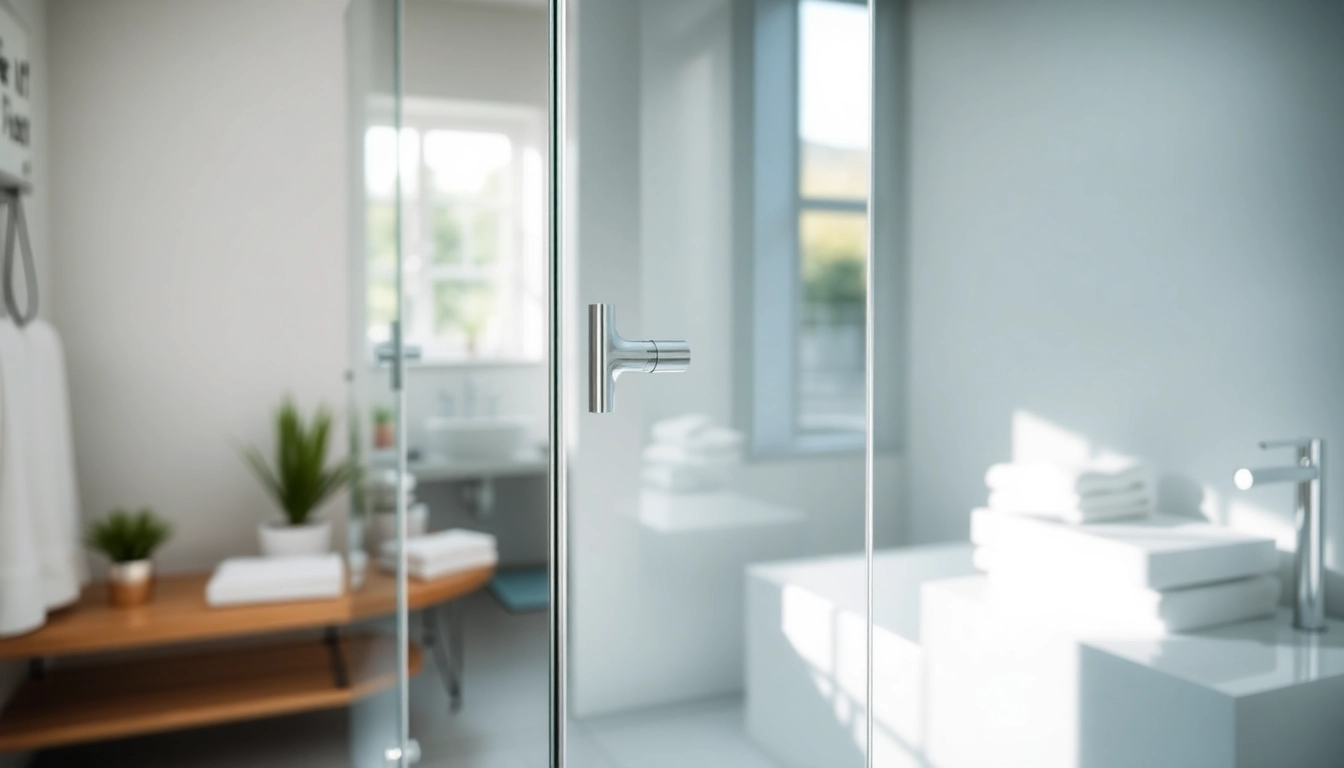
Understanding Shower Doors Sliding Options
Shower doors are a crucial element in any bathroom, combining functionality with style. Among the various styles available, shower doors sliding stand out for their contemporary appeal and space-saving design. This type of door features two or more panels that smoothly slide open, offering ease of access and a modern touch to your bathing space. In this guide, we will explore the diverse options available, their advantages, and key considerations for choosing the right sliding shower doors for your needs.
Types of Shower Doors Sliding Available
The diversity of sliding shower doors allows you to select a style that fits your bathroom's design and functionality. Here are the most common types:
- Single Sliding Doors: Typically consist of one fixed panel and one that slides open. Ideal for narrow bathroom spaces.
- Double Sliding Doors: Both panels slide open, providing a wider entrance. Perfect for larger showers.
- Frameless Sliding Doors: Features minimal hardware for an unobstructed view, creating a sleek, open feel.
- Framed Sliding Doors: Provides added durability and stability, often available in a range of finishes to match your bathroom decor.
- Textured Glass Options: Offers privacy while still letting light in, ideal for shared bathrooms or smaller spaces.
Benefits of Shower Doors Sliding
Shower doors sliding offer a multitude of benefits that enhance your bathroom experience:
- Space-Saving Design: Their sliding mechanism means they don't require additional space to swing open, making them ideal for smaller bathrooms.
- Ease of Access: With no barriers to entry, sliding doors allow for quick and easy access to the shower.
- Modern Aesthetic: The sleek look of sliding doors complements contemporary bathroom designs, providing a polished, upscale appearance.
- Versatile Styles: Available in various materials and finishes to match any decor, sliding doors can be customized to align with your personal style.
- Reduced Water Leakage: Properly installed sliding doors minimize water escape from the shower area, keeping your bathroom floor drier.
Key Design Considerations
When selecting shower doors sliding, it's essential to evaluate several design aspects:
- Size of the Shower Enclosure: Measure your space to ensure the selected doors fit without obstruction.
- Material Choices: Glass can vary in thickness, transparency, and finish; select one that suits your privacy and aesthetic needs.
- Hardware Finishes: Consider matching the door hardware, such as handles and track systems, to your existing bathroom fixtures.
- Door Configuration: Decide how the doors will slide—on a single track, or if you want two sets of doors moving against each other.
- Installation Type: Choose between framed or frameless options based on your personal preference and bathroom style.
Installation Process for Shower Doors Sliding
Installing shower doors sliding can significantly impact both the usability and appeal of your bathroom. Although the task can be complex, following a systematic approach can yield professional results. Below, we outline essential steps to guide your installation process.
Preparing the Space for Installation
Preparation is key to a successful installation:
- Remove Existing Fixtures: If replacing old doors, carefully remove existing hardware without damaging surrounding tiles or surfaces.
- Clean the Area Thoroughly: Ensure all debris, dust, and residue are removed to allow for proper adhesion and installation.
- Check Wall Levelness: Use a level to confirm that the walls are even. Use shims if needed to account for variations.
- Measure Carefully: Double-check all dimensions according to the manufacturer’s instructions to determine the optimal door size and configuration.
Tools and Materials Needed
Gathering the necessary tools and materials will facilitate a smoother installation process. Here’s what you’ll need:
- Measuring tape
- Level
- Drill and drill bits
- Screwdriver
- Shims
- Silicone sealant
- Sliding door track and hardware (provided in your chosen door kit)
- Safety goggles and gloves
Step-by-Step Installation Guide
Follow these steps for a successful installation:
- Install the Track: Start by mounting the top track to the wall, ensuring it’s perfectly level.
- Attach the Bottom Track: Secure the bottom track to the floor, aligned with the top track to allow smooth operation.
- Insert the Door Panels: Depending on your chosen configuration, insert the door panels into the track system, ensuring they glide easily.
- Check Alignment: Adjust the rollers as needed so the doors hang straight and slide without obstruction.
- Seal the Edges: Apply a bead of silicone sealant around the edges to prevent water leakage.
- Allow Setting Time: Let the sealant cure as per the manufacturer’s instructions before using the shower.
Maintenance Tips for Shower Doors Sliding
Regular maintenance is essential to keep your shower doors sliding in top condition, enhancing their lifespan and maintaining their beauty.
Regular Cleaning Routines
To prevent soap scum and mineral buildup, establish a cleaning routine:
- Daily Wipe Down: Use a squeegee or soft cloth to wipe down the glass after each use, reducing water spots.
- Weekly Deep Cleaning: Use a vinegar and water solution to remove hard-water stains. Rinse thoroughly with warm water.
- Avoid Harsh Chemicals: Use pH-balanced cleaners specifically made for glass to avoid damaging the surface.
Handling Common Issues
Address typical problems before they escalate:
- Sticking Doors: Lubricate the wheels and tracks with a silicone-based lubricant to promote smoother operation.
- Water Leakage: Inspect the seal around the edges regularly. Replace worn weatherstripping as needed.
- Scratches and Scuffs: Use a glass repair kit or a mixture of baking soda and water to buff out minor scratches.
When to Seek Professional Help
If you encounter serious issues beyond basic maintenance, such as structural damage or persistent leaks, consult a professional. Their expertise can save you time and ensure your shower doors operate flawlessly.
Choosing the Right Style for Your Bathroom
The style of your shower doors sliding can significantly influence the overall aesthetic of your bathroom. Consider the following advice to choose the perfect fit.
Matching Your Bathroom Decor
Your shower doors should harmonize with the bathroom's overall theme. Here’s how:
- Color Palette: Choose door finishes that complement or accentuate the bathroom colors.
- Material Selection: Glass types, whether frosted, clear, or tinted, can enhance or soften the look of your space.
- Hardware Design: Select handle and track finishes that match faucets, showerheads, and towel racks.
Trendy Design Ideas for Shower Doors Sliding
Stay ahead of the curve by adopting these contemporary trends:
- Minimalistic Frames: Frameless designs create a sleek, seamless transition between the shower and the rest of the bathroom.
- Bold Patterns: Consider patterned or etched glass for a statement look while maintaining privacy.
- Industrial Elements: Use metallic finishes for tracks and hardware to add an urban touch to your design.
Custom Options to Consider
For a unique touch, think about customizing your shower doors sliding:
- Measuring for Unusual Spaces: Custom sizes ensure a perfect fit, especially in non-standard shower enclosures.
- Glass Thickness: Choose from various thicknesses for added safety and style.
- Specialty Glass Options: Glass can be treated to be anti-scratch or anti-fog, improving longevity and usability.
Cost Implications and Budgeting
Budgeting for sliding shower doors involves understanding the initial costs, potential alternatives, and the long-term value they bring.
Average Costs of Shower Doors Sliding
The price of shower doors sliding can vary widely based on materials, dimensions, and customization options:
- Standard Options: Basic framed sliding doors can range from £200 to £500.
- Frameless Variety: High-end, frameless sliding doors typically cost between £600 and £1500, depending on the size and manufacturer.
- Custom Solutions: Custom designs will add to the cost but can provide a perfect fit for unusual spaces.
Cost-Effective Alternatives
If you're on a tight budget, consider these alternatives:
- DIY Installation: Save on labor costs by installing the shower doors yourself, provided you have the skills.
- Look for Sales: Keep an eye on seasonal sales or clearance items offered by manufacturers.
- Framed Over Frameless: Opt for framed doors instead of frameless ones to cut costs without compromising quality.
Long-term Value vs. Short-term Costs
When considering the investment in shower doors sliding, think about their long-term benefits:
- Durability: High-quality materials can last for years, reducing the need for frequent replacements.
- Increased Home Value: Modern and stylish shower doors can enhance your home’s aesthetic appeal and resale value.
- Energy Efficiency: Properly fitted doors can retain heat, leading to lower water heating costs over time.
Frequently Asked Questions
1. How do I measure for shower doors sliding?
Measure the height and width of the shower opening. Ensure to deduct some space for proper clearance. Consult the manufacturer’s specifications for exact sizes.
2. Can I install shower doors sliding on my own?
Absolutely! DIY installation is feasible if you have basic tools and follow the instructions carefully. However, professional installation may be best for complex spaces.
3. Do sliding shower doors require special maintenance?
Slide doors need regular cleaning to prevent soap scum buildup. Lubricate the tracks periodically to ensure smooth operation.
4. Are frameless shower doors more expensive than framed ones?
Generally, frameless shower doors cost more due to the materials and engineering involved but provide a sleek, modern aesthetics.
5. How can I prevent water leakage from sliding doors?
Ensure a proper fit and seal during installation. Regularly check and replace any worn seals or gaskets affecting performance.