Understanding PID-Resistenz von PV-Modulen
As solar energy continues to grow in popularity as a sustainable alternative to fossil fuels, understanding the nuances of photovoltaic (PV) technology becomes paramount. One of the critical issues affecting solar module performance is potential-induced degradation (PID). PID can significantly impact the efficiency and longevity of solar panels, making it essential for homeowners and businesses alike to be informed about this phenomenon. When exploring options, PID-Resistenz von PV-Modulen provides comprehensive insights into how solar technology can be improved to combat degradation effectively.
What is PID and How Does it Affect Solar Efficiency?
Potential-induced degradation (PID) is a phenomenon that occurs when solar panels experience a voltage differential that leads to a reduction in efficiency. This situation typically arises when modules are exposed to moisture and are connected in a way that creates negative voltage with respect to the ground. Subsequently, the performance of the solar panels can drop by as much as 30%, significantly affecting energy production and, ultimately, return on investment (ROI) for solar system owners. Understanding PID is crucial for ensuring that solar installations remain efficient over the long term.
The Science Behind PID-Resistenz in Solar Panels
The underlying science of PID involves electrochemical reactions that degrade the solar cells' performance. When PV modules are installed in high humidity and poor drainage conditions, moisture can penetrate the module's encapsulation layers. This intrusion allows for the formation of a conductive path, which leads to increased leakage currents that accelerate the degradation of solar cells. To combat this issue, manufacturers are developing PID-resistant modules that incorporate advanced materials and designs to minimize moisture infiltration and improve overall system reliability.
Impact of PID on Solar Performance
The effects of PID are not limited to a mere drop in efficiency; they also extend to the overall financial viability of solar installations. As energy yield decreases, system owners may find it challenging to meet the expectations set during the initial investment phase. This section addresses how PID manifests in solar systems and its long-term implications on solar energy production.
Identifying the Signs of PID in Your PV System
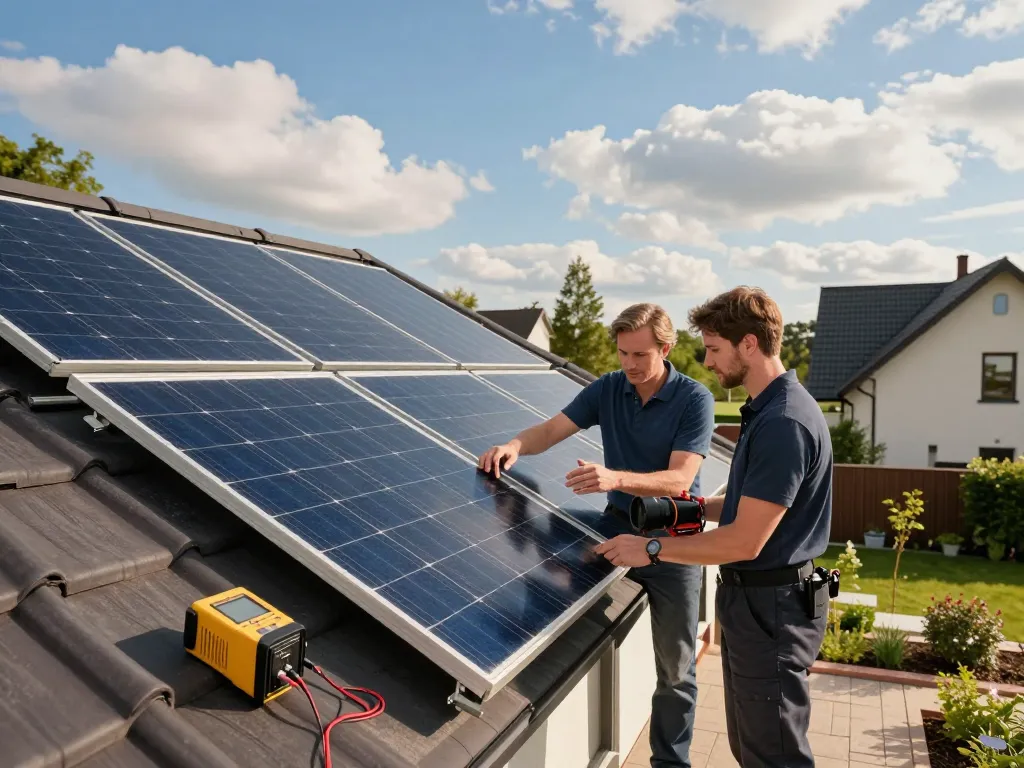
Recognizing PID in solar panels can be challenging, but there are key indicators to watch for. If you notice a significant drop in output power, particularly during periods of low sunlight or high humidity, your system may be affected by PID. Additionally, visual inspections can reveal discoloration or irregularities in the solar cells, suggesting that further investigation is needed. Regular performance monitoring can help catch these issues early, enabling effective remediation measures to be implemented.
Long-term Effects of PID on Energy Production
The long-term impacts of PID can lead to substantial financial losses for system owners. Over time, continued degradation results in decreased energy production, which directly correlates to lower returns on investment. Studies indicate that systems affected by PID may require more frequent maintenance and even premature replacement, leading to unexpected costs that can far exceed initial estimates. Consequently, awareness and proactive management of PID should be a priority for anyone utilizing solar technology.
Case Studies: Success and Failure Stories
Examining real-world examples can provide insight into the tangible effects of PID. For instance, a commercial solar installation that neglected to account for environmental factors—such as moisture levels and module placement—experienced a significant drop in performance within the first few years of operation. Conversely, another facility that invested in PID-resistant technology saw stable energy yields and lower maintenance costs. These contrasting outcomes highlight the importance of selecting the right solar modules and implementing effective monitoring strategies.
Preventive Measures for PID in Solar Installations
Taking preventive steps can mitigate the risk of PID affecting solar performance. Knowledge of best practices and the selection of high-quality components can make a significant difference in the longevity and efficiency of solar systems. This section outlines key strategies for managing PID risk and ensuring optimal performance from solar technology.
Best Practices for Reducing PID Risks
To minimize the likelihood of PID, consider the following best practices:
- Choose high-quality, PID-resistant solar modules from reputable manufacturers.
- Ensure proper installation techniques that prevent moisture accumulation.
- Monitor system performance regularly to identify and address any drops in efficiency.
- Utilize appropriate grounding techniques to mitigate voltage differentials.
Choosing PID-Resistant PV Modules: Key Features
When selecting PV modules, it’s crucial to look for key features that enhance PID resistance. Look for panels with robust encapsulation materials, advanced coatings to repel moisture, and designs that naturally dissipate voltage differentials. Furthermore, consult product specifications and certifications that highlight a module's resilience to PID. Understanding these attributes can guide informed purchasing decisions.
Regular Maintenance and Monitoring Techniques
Regular maintenance is vital for sustaining the performance of solar systems. Implementing systematic checks, such as cleaning panels to remove debris and ensuring connectors are secure, can help improve efficiency. Additionally, utilizing monitoring tools allows for real-time observation of performance metrics, enabling swift action in the event of any issues related to PID or other forms of degradation.
Technological Advancements to Combat PID
The ongoing research and innovation in solar technology have led to the development of equipment designed specifically to combat PID. By employing cutting-edge materials and engineering techniques, manufacturers are producing panels that can withstand the challenging conditions that lead to degradation. This section highlights the latest advancements in PID-resistant technology.
Innovative Solutions: Next-Gen PID-Resistant Modules
Next-generation photovoltaic modules are increasingly incorporating technologies specifically aimed at resisting potential-induced degradation. Innovations include improved encapsulation methods, electrostatic discharge prevention mechanisms, and the use of advanced materials that resist moisture penetration. These advancements not only enhance the durability of solar panels but also ensure more efficient energy production over their lifespan.
Trends in PV Technology for Enhanced Reliability
The future of solar technology is promising, with several trends emerging focused on enhancing reliability. The integration of smart technologies that allow for predictive maintenance and real-time monitoring is on the rise. Additionally, collaborations among research institutions and manufacturers are pushing the boundaries of what’s possible in PV technology, setting the stage for even more durable and reliable solar solutions.
Future Directions in Solar Research and Development
Future research in solar technology is expected to focus heavily on enhancing PID resistance and overall module performance. This includes exploring alternative materials and more environmentally friendly manufacturing processes that minimize the carbon footprint associated with solar energy production. Research initiatives are also likely to emphasize solar energy's role in combating climate change, positioning it as a key player in global sustainability efforts.
Conclusion and Future Outlook on PID Resistance
In summary, understanding and managing potential-induced degradation is essential for ensuring the long-term success of solar energy installations. As the demand for renewable energy grows, continued innovation and awareness of PID will be critical. The following section explores the implications of PID on energy sustainability and how stakeholders can prepare for future challenges and opportunities.
The Role of PID in Sustainable Energy Goals
Addressing PID is fundamental to achieving broader energy sustainability goals. As solar energy becomes an increasingly integral part of the global energy mix, ensuring the reliability and efficiency of solar technologies will be imperative for meeting energy demands while reducing environmental impact.
Looking Ahead: Challenges and Opportunities in 2026
Looking forward to 2026, the solar industry is poised to face several challenges, including the need for continued innovation to combat degradation issues. At the same time, opportunities abound for those willing to invest in high-quality, sustainable solutions that address these concerns. As research progresses and technologies evolve, the potential for PID-resistant modules will enhance the performance and longevity of solar energy systems globally.
How Homeowners and Businesses Can Stay Informed
To navigate the complexities of PID and solar technology effectively, homeowners and businesses should stay informed through credible sources, industry publications, and expert consultations. Engaging with professionals in the solar sector can provide valuable insights and help ensure that investments in solar technology yield the desired benefits over the long term.
What is PID-Resistenz von PV-Modulen?
PID is a degradation process that can significantly impair the performance of solar panels. Understanding its implications can help users maintain optimal energy production.
How to Identify PID in Your Solar Panels?
Identifying PID involves monitoring performance and looking for signs of efficiency loss, particularly in humid conditions where PID is likely to occur.
What Are the Benefits of PID-Resistant Modules?
Investing in PID-resistant modules offers long-term reliability, reduced maintenance costs, and sustained energy output, thus enhancing ROI for solar users.
How Can PID Impact ROI on Solar Investments?
PID can diminish energy output, leading to reduced financial returns. Understanding this risk is crucial for making informed investment decisions.
What Future Developments Can We Expect in Solar Tech?
Future solar technologies are anticipated to focus on enhanced durability against PID, incorporating advanced materials and smart technology for improved efficiency and monitoring.