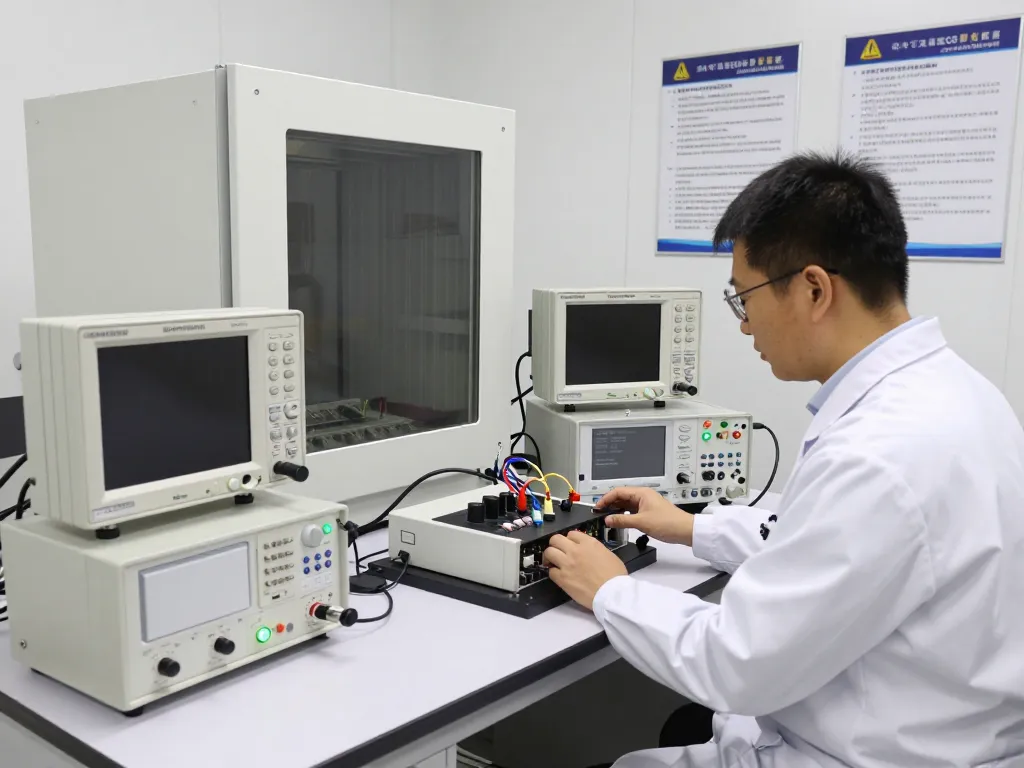
Understanding EMC Testing: The Basics
Electromagnetic Compatibility (EMC) testing plays a critical role in the development and deployment of electronic devices. It ensures that devices can operate effectively within their electromagnetic environment without causing or being affected by electromagnetic interference (EMI). In today's connected world, where multiple devices coexist, understanding and complying with EMC regulations is more important than ever. When exploring options, EMC testing serves as a vital process to ensure compliance and functionality.
What is EMC Testing?
EMC testing is a process that evaluates how electronic devices interact with electromagnetic fields and ensures their robust performance in real-world environments. It focuses on two main aspects: emissions testing, which measures the unwanted electromagnetic noise a device emits, and immunity testing, which assesses a device's ability to tolerate external electromagnetic disturbances. Such testing is essential for certifying compliance with various international standards, like FCC, CE, and CISPR.
Key EMC Testing Standards and Regulations
Several standards govern EMC testing, providing frameworks for determining compliance. Key standards include:
- IEC 61000-6: General standards for EMC in residential, commercial, and light industry environments.
- IEC 61000-4: Specific immunity standards defining how devices should respond to various electromagnetic phenomena.
- FCC Part 15: Regulations controlling emissions from unintentional radiators (devices that do not intentionally emit RF energy).
- EN 55032: Covers the electromagnetic compatibility of multimedia equipment.
The Importance of EMC Compliance in Modern Technology
As technology continues to evolve, the importance of EMC compliance grows. Devices today operate in highly interconnected environments, where interference can lead to functional failures, safety concerns, and legal liabilities. Compliance with EMC standards not only protects manufacturers from potential fines and product recalls but also builds trust with consumers by ensuring that products are safe and reliable.
The EMC Testing Process Explained
Step-by-Step EMC Testing Procedures
The EMC testing process involves several specific steps to ensure thorough evaluation and compliance. This typically includes:
- Initial Consultation: Understanding the product specifications and intended market.
- Pre-Testing Assessment: Analyzing the design to identify potential EMC issues before testing.
- Testing: Conducting emissions and immunity tests using accredited equipment.
- Data Analysis: Reviewing results to determine compliance and identify areas for improvement.
- Certification: Providing official documentation and recommendations for further actions, if necessary.
Types of EMC Tests Conducted
There are several types of EMC tests that can be conducted, depending on the product’s design and intended use. These include:
- Radiated Emissions Testing: Measures the electromagnetic energy radiated from the device.
- Conducted Emissions Testing: Assesses the amount of noise conducted through cables and leads.
- Radiated Immunity Testing: Evaluates how well a device can operate in the presence of external electromagnetic fields.
- Conducted Immunity Testing: Tests the device's resilience against voltage fluctuations through power and signal lines.
Preparing Your Product for EMC Testing
Preparation for EMC testing is crucial for a successful outcome. Manufacturers should consider the following steps:
- Reviewing product design and layout to minimize noise and enhance shielding.
- Ensuring proper grounding and bonding practices are implemented.
- Using quality components that are tested for EMC compliance.
- Conducting internal pre-tests to identify potential issues before official testing.
Common Challenges in EMC Testing
Identifying Common EMC Compliance Issues
Despite careful design, products may still face common EMC compliance challenges such as:
- Improper component placement leading to increased emissions.
- Inadequate shielding against electromagnetic interference.
- Design flaws in cables and connectors that introduce noise.
How to Overcome Testing Obstacles
To mitigate these challenges, companies should engage in proactive design reviews and consider working closely with EMC testing laboratories during the development phase. Additionally, utilizing simulation software can help predict potential compliance issues before product prototypes are created.
Myths and Misconceptions about EMC Testing
Many myths surround EMC testing, leading to misunderstandings that can affect compliance efforts. Some common misconceptions include:
- Myth: EMC testing is only necessary for products intended for international markets.
- Myth: All EMC issues can be resolved during the testing phase.
Understanding the reality of these myths can help streamline the design and testing process for manufacturers.
The Benefits of Professional EMC Testing Services
Why Choose a Dedicated EMC Testing Lab?
Choosing a dedicated EMC testing lab, like Stancer Testing-Lab, offers numerous advantages:
- Expertise: Access to experienced engineers who understand the intricacies of EMC compliance.
- Advanced Facilities: Utilization of cutting-edge technology and testing environments.
- Faster Turnaround: Streamlined testing processes that reduce time to market.
Advantages of Comprehensive Testing Solutions
Comprehensive testing solutions not only ensure compliance but also help manufacturers avoid costly redesigns by addressing potential issues early. These solutions often include:
- Design consultations
- Post-testing analysis and recommendations
- Continued support through the certification process
Case Studies: Success Stories in EMC Compliance
Numerous companies have benefited from utilizing professional EMC testing services. For example, an automotive manufacturer faced challenges meeting compliance standards for a new vehicle model. By engaging with a dedicated testing lab early in their design process, they identified key areas of improvement, resulting in successful certification and a smoother launch.
Future Trends in EMC Testing for 2026 and Beyond
Emerging Technologies Impacting EMC Testing
The landscape of EMC testing is continuously evolving, driven by advancements in technology. Key trends shaping the future include:
- 5G Technology: As 5G networks expand, new EMC testing challenges will emerge regarding higher frequencies and ultra-reliable low-latency communications.
- Internet of Things (IoT): The proliferation of IoT devices will increase the complexity of EMC compliance as more devices interact within the same electromagnetic environment.
Regulatory Changes and Compliance Expectations
Regulatory bodies are continuously updating compliance requirements to address new technologies. Staying informed about these changes is crucial for manufacturers who wish to maintain compliance and market access.
Best Practices for Staying Ahead in EMC Testing
To remain competitive in the rapidly evolving technology landscape, companies should adopt the following best practices:
- Investing in early-stage testing to identify issues before product launch.
- Incorporating EMC considerations into the design process.
- Staying updated on industry standards and regulatory changes.
What is involved in EMC testing?
EMC testing involves various assessments to evaluate both emissions and immunity of a device or system in its intended operating environment.
How often should EMC testing be conducted?
Typically, EMC testing should be performed whenever there are significant design changes, prior to product launches, or when entering new markets with different regulatory requirements.
What are the different types of EMC tests?
Different types of EMC tests include emission and immunity testing, covering aspects such as radiated and conducted emissions, as well as susceptibility to interference.
Why is EMC testing critical for product safety?
EMC testing is vital to ensure that products do not interfere with other electronic devices and can operate safely under typically expected electromagnetic conditions.
How can companies prepare for EMC testing?
Preparing for EMC testing includes thorough design review, implementing quality control measures, and conducting pre-testing evaluations to catch potential issues early.