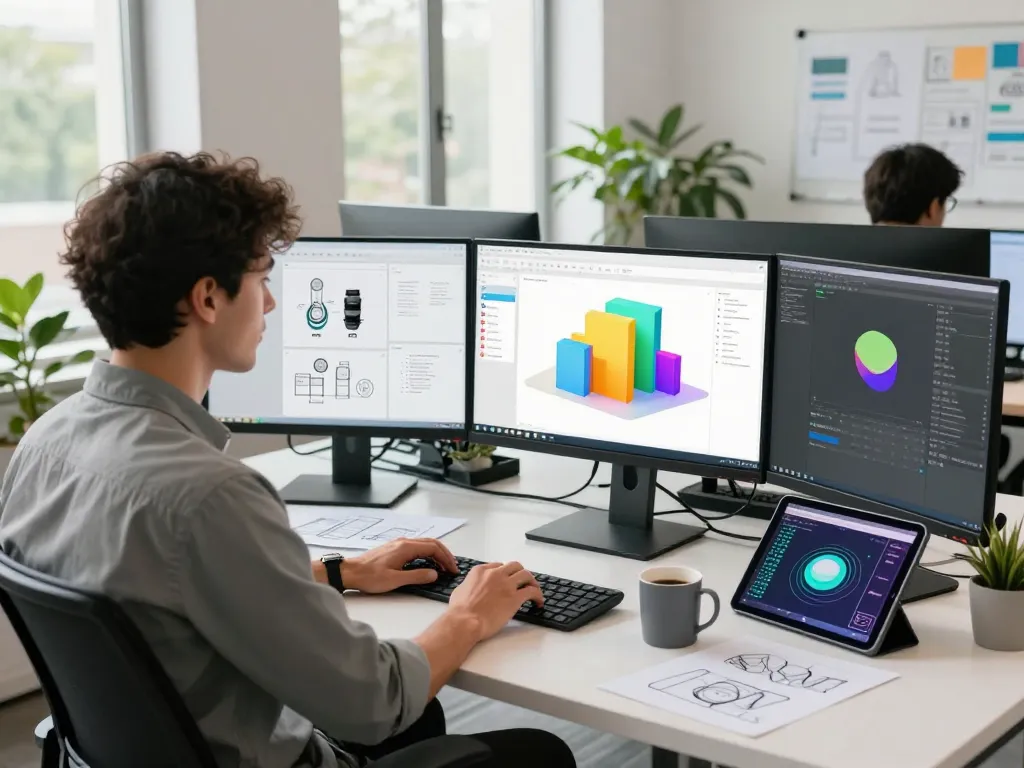
Understanding 3D Product Configurator Software
In today’s digital landscape, customer expectations are higher than ever. Consumers seek personalized experiences and immediate gratification, which challenges brands to innovate continuously. One effective solution to this challenge is 3D product configurator software, a game-changing tool designed to revolutionize how products are presented and sold. By providing interactive and immersive experiences, these tools allow customers to visualize and customize products in real-time, paving the way for enhanced engagement and increased conversion rates.
What is 3D Product Configurator Software?
3D product configurator software is a digital application that enables users to modify and customize products in a three-dimensional environment. This technology allows customers to select various attributes such as colors, sizes, materials, and components, generating a personalized product that meets their unique preferences. With the ability to visualize changes instantly, customers can experience products before purchasing, significantly improving their buying confidence.
Key Features and Benefits
- Real-Time Visualization: Users can see their customizations in 3D, making it easier to understand how their choices affect the final product.
- Enhanced User Engagement: Interactive experiences captivate users, reducing bounce rates and increasing time spent on the website.
- Increased Conversion Rates: By allowing users to create their own products, companies can see higher sales as customers are more likely to purchase a product they feel they’ve co-created.
- Seamless Integration: Many configurators can easily integrate with existing e-commerce platforms, enhancing overall functionality and user experience.
- Data Collection: Businesses can gather valuable insights on customer preferences and behaviors, informing product development and marketing strategies.
How It Enhances Customer Experience
3D product configurators significantly enhance customer experience by making the customization process engaging and user-friendly. Instead of the traditional static images that limit consumer imagination, these tools empower customers to explore and visualize products in detail. As users interact with the configurator, they are not just passive viewers but active participants in the product design process, which fosters a deeper emotional connection to the brand.
Industry Applications of 3D Product Configurator Software
E-commerce and Retail Solutions
The e-commerce sector has seen a significant transformation with the advent of 3D product configurators. Retailers can showcase their products in a dynamic way, allowing customers to interact with items as if they were in a physical store. This is particularly effective for sectors like fashion, furniture, and automotive, where product customization is vital. For instance, brands like Nike and BMW have successfully implemented configurators that allow customers to visualize their customizations before purchase.
Manufacturing and Customization
In manufacturing, 3D product configurator software is invaluable for custom orders. It allows manufacturers to showcase complex products that require various configurations, helping customers understand how different specifications can influence functionality and design. This capability enables companies to streamline their production processes by reducing errors in orders and improving customer satisfaction.
Real Estate and Virtual Tours
Beyond traditional retail, real estate agents and developers use 3D configurators for virtual tours of properties. Potential buyers can customize aspects of a home, such as wall colors or furniture layouts, giving them a sense of ownership and immediate visualization of the space. This technology has been particularly useful in selling homes under construction or conceptual projects.
Challenges in Implementing 3D Product Configurator Software
Technical Difficulties and Solutions
While 3D product configurators offer numerous advantages, they come with technical challenges. Businesses must ensure their website infrastructure can support 3D graphics and provide a smooth user experience. Development can be resource-intensive; however, partnering with specialized software providers can mitigate these challenges. It’s essential to perform thorough testing to ensure that the software functions seamlessly across all devices.
Cost Considerations and Budgeting
Implementing 3D configurators can involve significant upfront costs, which may deter some businesses. However, companies should view this as an investment rather than an expense. Accurate budgeting involves considering not only the development costs but also potential returns on investment through increased sales and customer satisfaction. It’s beneficial to conduct a cost-benefit analysis to assess the long-term value of configurators.
User Training and Adoption Strategies
One of the overlooked challenges is user training and adoption. Employees must be adequately trained to use and manage the new system. Providing comprehensive training programs and fostering a culture of innovation can help employees embrace technology. Additionally, creating user-friendly interfaces and providing ongoing support can ease the transition for both staff and customers.
Best Practices for Maximizing the Impact of 3D Product Configurator Software
Designing User-Friendly Interfaces
The design of the configurator interface significantly influences user experience. A clean, intuitive layout enhances usability, guiding customers through the customization process without overwhelming them. Incorporating tooltips and tutorials can aid first-time users, making it easier for them to understand all available features.
Integrating with Existing Systems
Ensuring that the 3D configurator integrates seamlessly with existing sales platforms, CRM systems, and inventory management software is crucial. This integration streamlines operations and enables data sharing, which is vital for maintaining sales efficiency and catalog accuracy.
Analyzing User Data for Continuous Improvement
Collecting user data is an ongoing process that should inform continuous improvement of the configurator. Regular analysis of user interactions can reveal patterns and preferences, allowing businesses to enhance product offerings and adjust marketing strategies accordingly. This data-driven approach ensures that the configurator evolves in alignment with customer needs and industry trends.
Future Trends in 3D Product Configurator Software (2026 and Beyond)
Artificial Intelligence and Machine Learning Integration
The integration of artificial intelligence (AI) and machine learning will likely transform 3D product configurator software by personalizing user experiences. These technologies can analyze user behavior and preferences to offer customized suggestions, making the configurator even more intuitive. For example, an AI-driven configurator might suggest product configurations based on a user’s past purchases or preferences.
Augmented Reality Features
Augmented reality (AR) will enhance the configurator experience by allowing users to visualize products in real-world environments. This technology can provide customers with a more accurate sense of scale and fit, significantly improving their confidence in purchasing decisions. As AR technology becomes more accessible, its integration into configurators will likely become a standard feature.
Customer-Centric Customization Advancements
As consumer preferences continue to evolve, the demand for highly tailored products will grow. Future 3D product configurator software will likely offer expanded customization options, allowing customers to create products that reflect their individual styles and needs. This trend will be crucial in industries such as fashion and home decor, where personal expression is paramount.
What are the advantages of using 3D product configurator software?
The advantages of using 3D product configurator software include enhanced customer engagement, improved product visualization, and increased sales conversion rates. Additionally, it allows businesses to gather valuable user data for insights into customer preferences and trends.
How does 3D product configurator software improve sales?
By providing customers with the ability to customize their products, 3D product configurator software builds a deeper connection between the customer and the brand. This engagement leads to higher conversion rates as customers are more likely to purchase a product they feel they’ve tailored to their liking.
What industries benefit most from 3D product configurators?
Industries such as e-commerce, manufacturing, real estate, and automotive greatly benefit from 3D product configurators. These sectors have a high demand for product personalization and customer interaction, making configurators an essential tool for enhancing user experience and driving sales.
Can small businesses afford 3D product configurator solutions?
While the initial investment in 3D product configurator solutions can be significant, small businesses should consider the long-term benefits. Many providers offer scalable solutions that cater to different budgets, allowing small businesses to implement configurators that align with their resources and goals.
What are the upcoming trends in 3D product configurator software?
Upcoming trends include more seamless integration with AI and machine learning, enhanced augmented reality features, and a focus on hyper-personalized customer experiences. These innovations will ensure that 3D product configurators remain essential tools for businesses looking to meet evolving consumer demands.