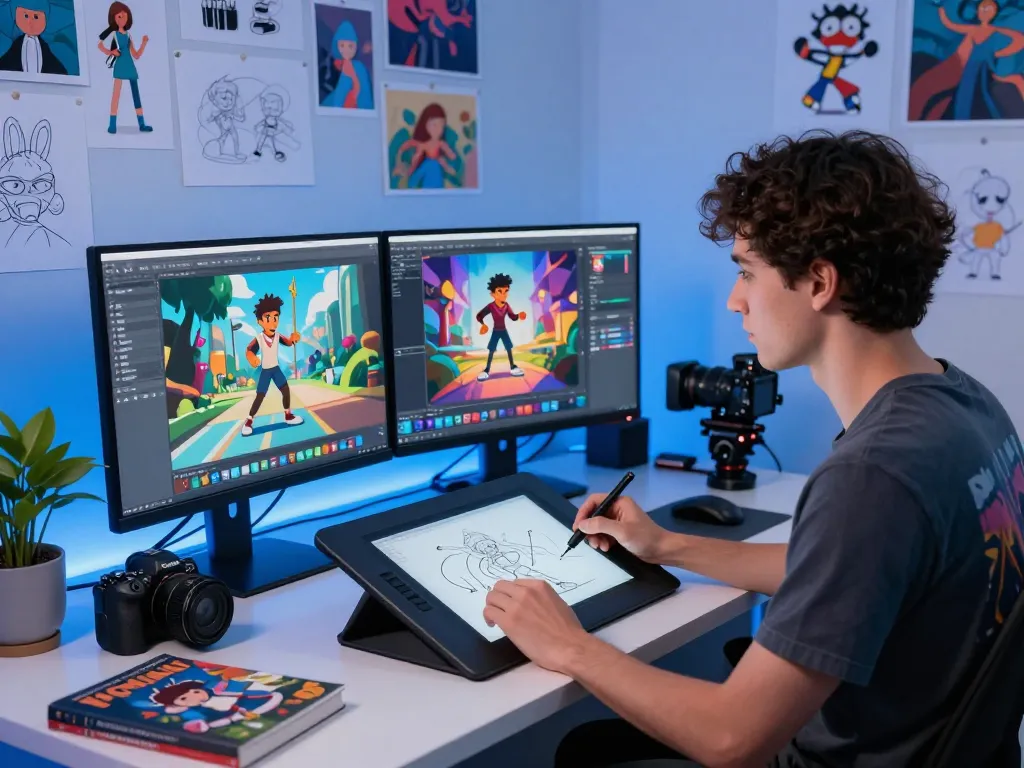
Understanding Mind Control AI: The Basics
In the rapidly evolving landscape of artificial intelligence, the concept of mind control AI is gaining traction. This technology aims to bridge the gap between static images and dynamic video productions, allowing creators to harness the power of AI to bring their visions to life. By understanding the foundational aspects of mind control AI, you can unlock new opportunities in video production, enhancing storytelling and visual engagement.
What is Mind Control AI?
Mind control AI refers to systems that leverage artificial intelligence to manipulate visual content dynamically, creating animations that align closely with the creators’ intents. Utilizing advanced algorithms, this technology processes static images, transforming them into animated videos with precise control over motion patterns, facial expressions, and environmental elements. Such capabilities allow for unprecedented creative freedom in video production.
Mechanics Behind Motion Control AI
The mechanics of motion control AI involve intricate data processing techniques that analyze reference videos and images. For instance, when using mind control ai, the system assesses the key frames of reference motions, translating those into movements that the static image can mimic. This process includes tracking motion paths, ensuring the synchronization of body language, and preserving the character's identity throughout the video.
Applications of Mind Control AI in Video Production
Mind control AI finds applications across various sectors within video production. From entertainment to education, the technology is facilitating innovative storytelling methods. In animation, it allows creators to generate lifelike characters and engaging narratives without the traditional labor-intensive animation processes. Similarly, in marketing, brands are using this technology to create personalized video advertisements, enhancing customer engagement through targeted visual content.
Key Features of Kling Motion Control AI
Accurate Motion Path Control Explained
One of the standout features of Kling Motion Control AI is its ability to provide accurate motion path control. The technology allows creators to define how characters move within a scene, ensuring that each action aligns perfectly with the intended choreography. This feature is crucial for maintaining the visual consistency and storytelling quality of the final product.
Preserving Character Identity with AI
Another significant concern in video creation is preserving a character's identity. Kling 2.6 Motion Control AI excels in this area by maintaining consistent facial features, body proportions, and clothing across frames. This prevents the common issue of visual drift and identity distortion, enabling creators to produce high-quality videos that are both coherent and engaging.
Creating Photorealistic Outputs Effectively
The photorealistic outputs generated by Kling Motion Control AI are a game-changer in the industry. Utilizing sophisticated rendering engines, the technology creates videos with realistic lighting, textures, and movements that closely mimic real-life interactions. This level of detail enhances the believability of the video content, attracting and retaining viewer attention.
Best Practices for Using Mind Control AI for Video Creation
Optimizing Image Settings for Best Results
To achieve the best results with mind control AI, it is essential to optimize the image settings before processing. High-resolution images with clear backgrounds should be used, as they provide the AI with the best starting point for generating accurate animations. Additionally, ensuring that the images and reference videos share similar framing enhances synchronization.
Choosing Reference Videos and Images Wisely
Selecting appropriate reference materials is vital for successful outcomes. The reference videos should demonstrate clear movements with controlled pacing, helping the AI to accurately interpret and apply those actions to the static image. Using reference materials with excessive camera drift or erratic movements can negatively impact the final output.
Incorporating Text Prompts for Enhanced Output
Incorporating descriptive text prompts can significantly enhance the AI's output. By providing contextual cues regarding actions, camera behaviors, and intended atmospheres, creators can guide the AI towards more refined results. This additional layer of instruction helps to achieve the desired artistic vision while maintaining the integrity of the character's identity.
Potential Challenges and Solutions in Using Mind Control AI
Common Obstacles in Motion Control Process
While using mind control AI can streamline video production, it also comes with challenges. Common obstacles include misalignment of character actions and difficulties in achieving nuanced emotional expressions. Understanding these hurdles and anticipating them can help creators develop strategies to mitigate potential issues during the production process.
Mitigating Visual Drift and Identity Distortion
Visual drift can occur when there's inconsistency in the character's appearance across frames. To combat this, it's important to use high-quality references and ensure that the movement source matches the character's orientation. Additionally, adjusting the AI's parameters for consistency can help maintain character identity throughout the video.
Ensuring Complex Actions Are Executed Properly
Complex actions such as group choreography or intricate movements can pose significant challenges. To address this, creators should break down these actions into simpler movements that the AI can decipher more easily. Providing more granular reference data will enable the AI to understand and replicate these complexities with greater accuracy.
Future Trends in Mind Control AI Technology
Emerging Developments in AI Motion Control
The future of mind control AI technology is poised for significant advancements. Emerging developments include enhanced algorithms that better understand human emotions and actions, paving the way for even more realistic video outputs. These improvements will further blur the lines between reality and animation, offering creators limitless opportunities in visual storytelling.
Predicting the Future of Mind Control AI in Filmmaking
As filmmakers continue to explore the potentials of mind control AI, we can expect to see innovative narrative techniques that leverage this technology. The flexibility and efficiency of AI-driven video production will likely become staples in both independent and mainstream filmmaking, allowing for stories that were previously unimaginable.
Impact of Mind Control AI on Creative Industries
The impact of mind control AI on creative industries is profound. Not only does it enhance the production quality of videos, but it also democratizes access to high-end visual effects and animation techniques. This shift is likely to foster a new wave of creativity, as aspiring creators can leverage these tools to tell their stories without needing extensive resources or expert knowledge.
Can Mind Control AI Be Used for Commercial Projects?
Yes, mind control AI can be effectively utilized in commercial projects. Brands are increasingly adopting AI-generated videos for advertising and marketing campaigns, given their ability to personalize messages and engage audiences dynamically. This technological advancement not only boosts efficiency but also maintains a high standard of production quality.
How Fast Is Video Generation with Mind Control AI?
The speed at which videos can be generated using mind control AI is significantly faster compared to traditional methods. With optimized platforms like Kling 2.6, creators can expect to produce high-quality outputs in a matter of minutes, allowing for rapid iterations and adjustments based on feedback or creative changes.
Does Mind Control AI Support Realistic Facial Expressions?
Yes, modern mind control AI systems, including Kling 2.6, support the generation of realistic facial expressions. This capability allows for a deeper emotional connection with the audience, as characters can convey subtle feelings and responses that enhance the storytelling experience.
What Are the Ethical Considerations of Mind Control AI?
As with any emerging technology, ethical considerations surrounding the use of mind control AI are paramount. Issues such as consent, authenticity, and the potential for misuse in manipulative contexts must be carefully addressed by creators and stakeholders. Establishing guidelines and ethical frameworks will be essential as this technology develops.
Is Mind Control AI Suitable for Beginners?
Mind control AI is designed to be user-friendly, making it accessible for beginners. With comprehensive tutorials and support systems, new users can quickly learn how to leverage AI for video production. This accessibility fosters a new generation of creators who can experiment with advanced video techniques without extensive training.