
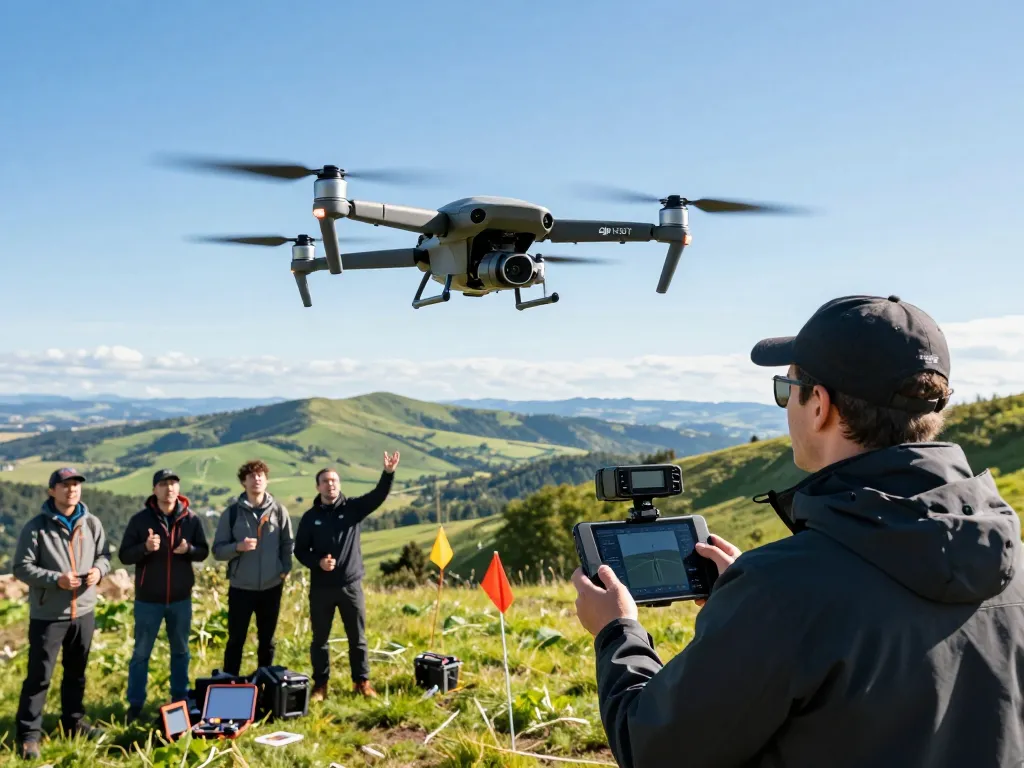
Introduction to the DJI H30T Drone
The DJI H30T drone has rapidly gained popularity among professionals due to its exceptional capabilities in various fields. This state-of-the-art technology integrates advanced imaging systems in a compact design, facilitating high-quality data acquisition in a range of applications. With features tailored for industrial inspections, environmental monitoring, and emergency response, the dji h30t stands out as a versatile tool that enhances operational efficiency and effectiveness.
What Makes the DJI H30T Stand Out?
What sets the DJI H30T apart from its competitors is its multi-sensor capability, combining a wide-angle camera, a zoom camera, a thermal sensor, and other essential technologies in one payload. This integration allows users to obtain a comprehensive view of their operational environment in real time, which is crucial for industries such as search and rescue, energy, and environmental conservation. Furthermore, its robust design ensures that it operates seamlessly in challenging conditions, making it a reliable choice for professionals.
Key Specifications and Features of the DJI H30T
- Camera Specifications: Includes a 40 MP optical zoom and a thermal camera capable of detecting temperature differences.
- Flight Time: Extended flight duration of up to 40 minutes, allowing extensive surveying in a single flight.
- Transmission Range: Up to 10 km, providing extensive coverage for various operational needs.
- Durability: Built to withstand all weather conditions with a high IP rating.
Understanding Thermal and Optical Capabilities
The thermal imaging capabilities of the DJI H30T are a standout feature, especially for applications in emergency services and industrial inspections. With a temperature measurement range that can reach extreme highs, this drone enables users to detect heat sources accurately, making it invaluable for identifying structural weaknesses or locating missing persons. The optical zoom camera complements this feature by providing detailed visual data, allowing for comprehensive assessments.
Practical Applications of the DJI H30T
Use Cases in Search and Rescue Operations
The DJI H30T is increasingly being employed for search and rescue missions. Its thermal imaging capabilities allow first responders to locate individuals in distress even in low-visibility conditions. The combination of high-resolution optical imagery and thermal data enables teams to assess situations quickly and efficiently, significantly enhancing response times in critical situations.
Applications in Environmental Monitoring and Assessments
Environmental scientists are leveraging the DJI H30T for monitoring wildlife and evaluating ecosystem health. The drone’s multi-sensor payload can collect valuable data on vegetation, water quality, and wildlife movement patterns. By incorporating thermal imaging, researchers can assess the effects of climate change on habitat use by different species, providing essential insights for conservation efforts.
Industrial Inspections: Enhancing Safety and Efficiency
In industrial settings, the DJI H30T serves as a tool for routine inspections of infrastructure such as power lines, oil pipelines, and industrial facilities. Its ability to perform precise measurements and detect anomalies through thermal imaging allows for proactive maintenance and rapid response to potential hazards, ultimately enhancing safety standards and operational efficiency.
Maximizing Performance with the DJI H30T
Best Practices for Operating the DJI H30T
To optimize the performance of the DJI H30T, operators should familiarize themselves with its capabilities and limitations. Key best practices include performing pre-flight checks to ensure all systems are operational, understanding local regulations regarding drone flights, and utilizing the drone’s autonomous flight modes to enhance data collection accuracy. Regular training sessions are recommended to maintain proficiency.
Optimal Flight Settings for Various Conditions
Adjusting flight settings based on environmental conditions is crucial for maximizing the DJI H30T’s performance. In windy conditions, pilots should reduce the flight altitude and increase the speed of the drone to counteract turbulence. For low-light conditions, utilizing the thermal camera will enhance visibility and efficiency during operations.
Maintaining Your DJI H30T for Longevity
Routine maintenance of the DJI H30T is essential for its longevity and reliability. This includes regular software updates, thorough cleaning of the sensors and lenses, and periodic inspection of the drone’s hardware for any signs of wear. Following the manufacturer’s recommended maintenance schedule will ensure that the drone operates optimally throughout its lifespan.
Comparing the DJI H30T with Other Models
DJI H30T vs. H20T: Key Differences Explained
When comparing the DJI H30T to its predecessor, the H20T, several key differences emerge. The H30T offers enhanced thermal capabilities, including a wider temperature range and improved sensor quality, making it better suited for intricate applications. Additionally, the H30T’s extended flight time allows for more extensive mapping and surveying in one flight.
How the DJI H30T Compares to Competitors in the Market
In the competitive landscape of commercial drones, the DJI H30T holds its own against brands like Parrot and Yuneec. Its multi-sensor capability gives it an edge, particularly in sectors requiring versatile data collection methods. The seamless integration with DJI’s software ecosystem further amplifies its appeal, providing users with advanced analytics and easy data management.
Evaluating Value for Price: Is the DJI H30T Worth It?
Considering the advanced capabilities of the DJI H30T, the pricing structure aligns with the high-tech features offered. For professionals in industries such as emergency services, environmental science, and industrial inspections, the investment in the H30T can lead to substantial long-term savings through efficiencies gained in operations and data analysis. Evaluating the total cost of ownership against the benefits provided is crucial for prospective buyers.
The Future of Drone Technology: Trends to Watch in 2026
Emerging Technologies Impacting Drone Performance
As we approach 2026, advancements in drone technology are expected to focus on increasing automation, enhancing AI capabilities, and improving battery life. Innovations such as obstacle-avoidance systems and autonomous flight planning will transform how drones are utilized in various industries, making them even more capable for complex tasks.
Predictions for the Future of Aerial Surveillance
The future of aerial surveillance is bright, with drones like the DJI H30T leading the charge. As data analytics and machine learning technologies evolve, drones will become even more effective at identifying patterns and forecasting issues before they become critical. This shift will not only improve operational efficiency but will also enhance safety across sectors reliant on aerial surveillance.
Regulatory Changes and Their Impact on Drone Usage
As drone technology advances, it will continue to challenge current regulations. Future laws are likely to evolve to accommodate the unique capabilities of drones, particularly regarding privacy and data security. Adapting to these changes will be essential for operational compliance and leveraging drones like the DJI H30T effectively in commercial applications.
What is the range of the DJI H30T?
The DJI H30T boasts an impressive transmission range of up to 10 kilometers, allowing for extensive coverage in a single flight session. This range enables operators to conduct large-scale surveys and inspections without needing to constantly reposition the drone.
Can the DJI H30T be used for commercial purposes?
Yes, the DJI H30T is designed for commercial applications. Its advanced imaging capabilities and reliable performance make it an ideal tool for industries such as construction, environmental monitoring, and emergency services.
What are the maintenance requirements for the DJI H30T?
Maintenance for the DJI H30T includes regular inspections, firmware updates, and cleaning of the sensors and lenses. Following the manufacturer’s guidelines will help keep the drone in optimal condition and prolong its lifespan.
How does the DJI H30T perform in adverse weather conditions?
The DJI H30T is engineered to operate in a variety of weather conditions, thanks to its robust design and high IP rating. However, operators should always assess the specific conditions before flying, as extreme weather can still pose risks.
What accessories enhance the performance of the DJI H30T?
Accessories such as additional batteries, high-capacity memory cards, and protective cases can significantly enhance the performance and usability of the DJI H30T. Investing in quality accessories will improve operational efficiency and data storage capabilities.