Understanding Residential Carpet Installation
When it comes to enhancing the comfort and aesthetics of your home, Residential carpet installation stands out as a popular choice. This process involves not only selecting the right type of carpet but also ensuring it is installed correctly for longevity and performance. In 2026, with numerous options available, understanding the intricacies of carpet installation becomes essential for homeowners looking to transform their spaces.
What is Residential Carpet Installation?
Residential carpet installation refers to the process of laying carpet in homes, which can range from a single room to an entire house. This task typically involves several steps, including the selection of carpet type, measuring the space, preparing the subfloor, and finally, laying and securing the carpet. The installation is often carried out by professionals who have the expertise and tools to ensure a high-quality finish.
Benefits of Professional Installation
While some homeowners might consider a DIY approach, the benefits of hiring professionals for carpet installation are significant:
- Expertise: Professionals understand the nuances of various carpet types and installation methods, ensuring the best results.
- Time Efficiency: Experienced installers can complete the job quicker than most homeowners.
- Warranty Protection: Many carpets come with warranties that may only be valid if installed by certified professionals.
- Precision: Proper measurements and techniques reduce the risk of mistakes that can lead to costly reworks.
Common Types of Carpets Used in Homes
Homeowners have a plethora of carpet types to choose from, including:
- Cut Pile: Soft and durable, ideal for high-traffic areas.
- Loop Pile: More rugged and forgiving; great for homes with pets.
- Berber: A type of loop pile known for its durability and resistance to stains.
- Frieze: Characterized by twisted fibers, providing a cozy and casual look.
Choosing the Right Carpet for Your Home
Choosing the right carpet involves careful consideration of various factors that can affect both aesthetics and functionality. The right carpet can enhance your home’s ambiance while providing the comfort and durability your family needs.
Factors to Consider When Selecting Carpet
When selecting carpet, consider the following:
- Room Usage: High-traffic areas require more durable materials, while bedrooms may benefit from softer options.
- Color and Texture: The right color can enhance your room’s decor, while texture affects comfort and maintenance.
- Budget: Carpets vary widely in price, so it’s essential to establish a budget that fits your needs.
Popular Carpet Styles and Materials
Current carpet trends emphasize a mix of style and sustainability. Popular styles for 2026 include:
- Sustainable Carpets: Made from recycled materials, these are both eco-friendly and stylish.
- Bold Colors: Bright, statement-making colors add personality to spaces.
- Patterns: Geometric and floral patterns are gaining traction, allowing for creative designs.
Local Trends in Carpet Choices for 2026
As we move towards 2026, local trends indicate a shift towards more eco-conscious choices. Homeowners are increasingly opting for carpets made from natural fibers like wool and jute, reflecting a broader commitment to sustainability. Moreover, neutral tones remain popular for their versatility, while pops of color are used strategically to create focal points in living spaces.
The Installation Process Explained
The carpet installation process may seem daunting, but understanding the steps involved can help demystify it.
Step-by-Step Guide to Carpet Installation
Follow these steps for successful carpet installation:
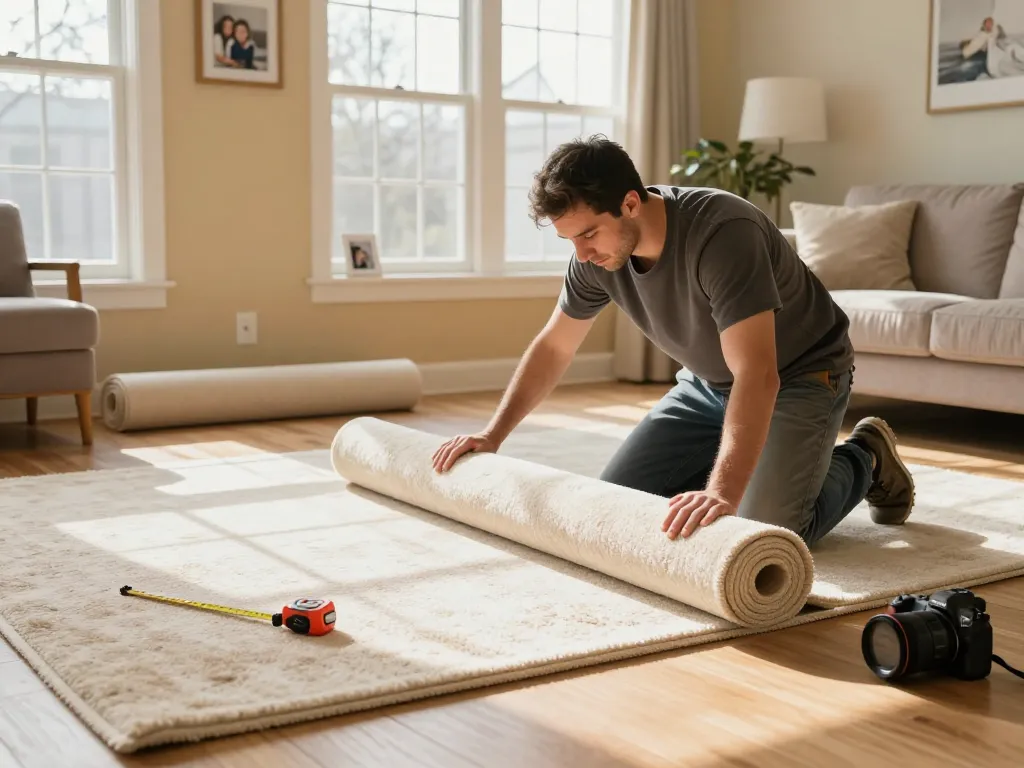
- Measure the Area: Accurate measurements are crucial to ensure you purchase enough carpet.
- Prepare the Subfloor: Ensure the subfloor is clean, dry, and level to provide a stable base.
- Cut the Carpet: Have the carpet cut to size, leaving extra material for adjustments.
- Install the Carpet: Lay the carpet down, starting from one corner and working your way across the room.
- Secure the Edges: Use tack strips or adhesive to keep the carpet in place.
- Trim Excess: Cut away any excess material for a clean finish.
Tools and Equipment Needed for the Job
Professional carpet installation requires specific tools, including:
- Carpet knife
- Tack strips
- Carpet stretcher
- Seam roller
- Double-faced carpet tape
Preparing Your Home for Installation Day
To ensure a smooth installation, prepare your home by:
- Clearing furniture from the installation area
- Ensuring pets and children are kept in a safe, separate area
- Communicating any special instructions to your installers
Maintenance Tips for New Carpet
Once installed, your carpet will require regular maintenance to keep it looking its best.
How to Care for Your Carpet Post-Installation
To maintain your carpet:
- Vacuum regularly to remove dirt and debris.
- Use a carpet protector to prevent stains.
- Address spills immediately to minimize staining.
Common Carpet Problems and Solutions
Carpet can be prone to issues such as:
- Stains: Use appropriate cleaning solutions for specific stains.
- Fading: Protect carpets from direct sunlight.
- Wear and Tear: Consider rotating rugs in high-traffic areas.
Long-Term Carpet Maintenance Best Practices
Adopting best practices can extend the life of your carpet:
- Regularly schedule professional cleanings.
- Implement a no-shoes policy to minimize dirt.
- Invest in high-quality carpet pads for added support.
Future Trends in Residential Carpet Installation
The landscape of residential carpet installation is evolving, with technology and sustainability at the forefront.
Innovative Technologies in Carpet Installation
Technology is revolutionizing how carpets are designed and installed. Innovations include:
- Smart Carpets: Carpets integrated with sensors for monitoring wear.
- 3D Printing: Creating custom patterns and sizes on demand.
- Rapid Installation Methods: New technologies that allow for quicker setups without compromising quality.
Eco-Friendly Carpet Options for Sustainable Homes
Sustainable options, such as carpets made from recycled materials and biodegradable fibers, are becoming more prevalent. Homeowners are increasingly opting for these materials that reduce environmental impact while maintaining quality.
Predictions for Carpet Styles in 2026 and Beyond
Looking ahead, we can expect more adaptability in carpet styles to accommodate diverse tastes. This includes:
- Increased customization options based on homeowner preferences.
- Multi-functional carpets that serve both aesthetic and practical purposes.
- Integration of technology for better durability and maintenance.
What are the costs associated with residential carpet installation?
The costs of residential carpet installation can vary significantly depending on factors such as carpet type, room size, and installation methods. On average, homeowners can expect to pay between $2 to $6 per square foot for installation.
How long does a typical carpet installation take?
Typically, carpet installation can take anywhere from a few hours to a full day, depending on the scope of the project. Larger homes may require more time, especially if multiple rooms are involved.
Can I install carpet myself or should I hire a professional?
While some homeowners may feel confident in DIY installations, hiring a professional is generally recommended. Professionals ensure proper techniques are used and can save time and potential pitfalls.
What maintenance does new carpet require?
New carpets require regular vacuuming, immediate attention to spills, and periodic professional cleaning to maintain their appearance and longevity.
How can I choose the best color for my carpet?
Choosing the right carpet color involves considering your home’s overall color scheme, the amount of natural light in each room, and your personal style preferences. Neutral colors are versatile, while bold colors can make a statement.