Understanding Whole House Repiping
What is Whole House Repiping?
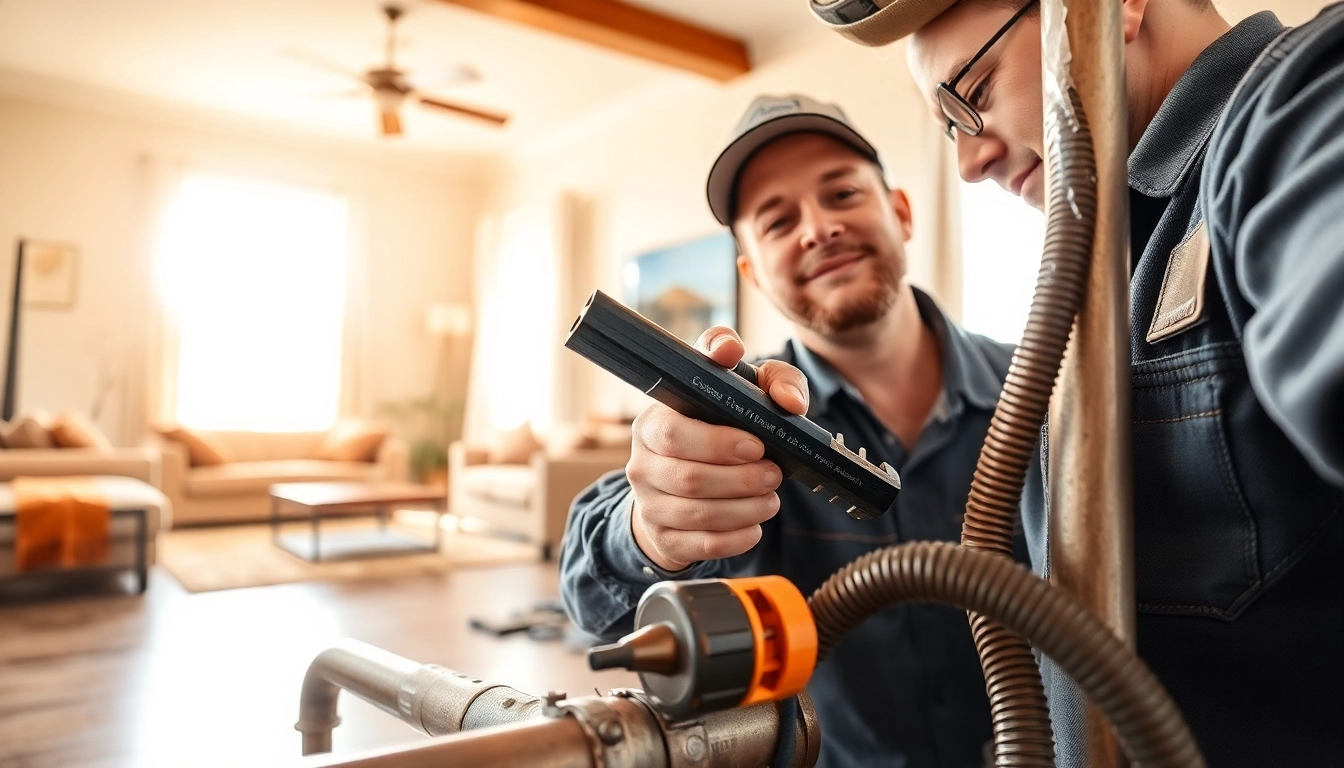
Whole house repiping is a significant plumbing undertaking that involves replacing all the existing pipes in a home. This service is essential when the current pipes have deteriorated due to age, damage, or poor material quality. During the process, professionals will remove old piping and install new lines to ensure a safe and efficient plumbing system. Choosing whole house repiping services St Petersburg FL is critical for homeowners looking to resolve plumbing issues and improve overall water flow and quality.
Common Reasons for Repiping
There are several reasons why homeowners may need to consider repiping their property:
- Pipe Corrosion: Over time, pipes can corrode, especially those made from metal materials, leading to leaks and water contamination.
- Frequent Leaks: If a home experiences repeated leaks due to worn-out pipes, repiping can provide a long-lasting solution.
- Obsolete Materials: Older homes may have pipes made from lead or polybutylene, which are no longer considered safe or effective.
- Lower Water Pressure: Deteriorated pipes can cause reduced water pressure, impacting daily tasks like showering and washing dishes.
- Water Quality Issues: Rusty or old pipes can affect the taste and quality of water, leading to an unhealthy home environment.
Signs Your Home Needs Repiping
Identifying the need for repiping can help prevent further damage and costly repairs. Watch for these indicators:
- Leaks: Frequent leaks, especially in multiple locations, are a clear sign of pipe failure.
- Discolored Water: Brown or rust-colored water often signals rusting pipes that need replacing.
- Low Water Pressure: A sudden drop in water pressure can indicate buildup or leaks in pipes.
- Mold Growth: Excess moisture from leaking pipes can promote mold growth in walls or ceilings.
- Old Construction: Homes built with outdated plumbing materials are more likely to require repiping.
The Benefits of Whole House Repiping Services St Petersburg FL
Enhanced Home Safety
Safety is a top concern for any homeowner. Older pipes, especially those made with unsafe materials like lead, can pose significant health risks. By opting for professional repiping, homeowners can eliminate these concerns, providing a safer environment for their families. Additionally, new piping materials are built to withstand modern pressures and temperatures, reducing the risk of leaks that can lead to water damage or structural issues.
Improved Water Quality
Many homes with old plumbing systems face issues with water quality. Repiping addresses these concerns effectively, offering access to clean, safe water. New pipes can be made from materials that do not rust or corrode, ensuring that the water retains its quality without unpleasant tastes or contaminants. Enhanced water quality not only benefits health but also improves the taste of food and beverages prepared at home.
Long-term Cost Savings
While the upfront cost of repiping may seem significant, it often leads to long-term savings. New piping reduces the frequency of leaks and plumbing emergencies, which can be financially burdensome. Moreover, fresh pipes improve water flow and pressure, leading to more efficient water usage and reduced utility bills. Investing in repiping can protect against expensive repairs and increase the home’s overall value.
Choosing the Right Repiping Materials
PVC vs. Copper vs. PEX
When it comes to repiping, selecting the right material is crucial. Each type of piping has its advantages and disadvantages:
- PVC (Polyvinyl Chloride): Rigid and cost-effective, PVC is ideal for waste and vent lines. However, it cannot be used for hot water lines.
- Copper: Known for its durability and anti-corrosive properties, copper pipes can be used for both hot and cold water. They are more expensive but can add value to your home.
- PEX (Cross-linked Polyethylene): Flexible and resistant to scale and chlorine, PEX is easy to install in tight spaces. It can be a cost-effective solution but may not withstand extreme temperatures.
Durability and Longevity of Materials
Durability varies significantly between materials. Copper pipes can last over 50 years if properly maintained. PEX can last up to 40 years, though its susceptibility to UV light makes it less suitable for outdoor use. PVC can serve effectively for up to 100 years, primarily in drain, waste, and vent applications. Homeowners should consult with professionals to determine the best material suited to their specific needs.
Cost Considerations for Different Materials
The costs associated with repiping largely depend on the materials chosen. Copper tends to be the most expensive option due to its durability and longevity. PEX is often more affordable but requires specific tools for installation. PVC is usually the least expensive, but its application is limited to appropriate plumbing systems. A detailed cost comparison will help homeowners find a balance between budget and durability.
The Repiping Process Explained
Initial Inspection and Assessment
Before initiating a repiping project, a thorough inspection is necessary. Licensed plumbing professionals will assess the existing pipes, identifying problem areas, age, and material types. This assessment informs the planning process, helping determine the scope of work and materials needed. It’s a critical first step that sets the foundation for a successful repiping.
Planning and Execution of Repiping
After assessment, the planning phase outlines the specifics of the repiping project. This includes deciding on materials, scheduling, and defining necessary permits. Actual repiping involves shutting off water supply, removing existing pipes, and installing the new system. Professional plumbers ensure that the work complies with local building codes, safeguarding the home’s plumbing integrity.
Post-Repiping Inspection and Maintenance
Once repiping is complete, an inspection is essential to confirm that everything has been correctly installed and is operational. Homeowners should also consider developing a maintenance routine to monitor their new plumbing system. Regular inspections can help detect potential issues early, extending the lifespan of the new pipes and maintaining high water quality.
FAQs About Whole House Repiping
How long does the repiping process take?
The duration of the repiping process can vary based on the home’s size and plumbing complexity. Typically, it can take anywhere from one to several days.
Is repiping covered by homeowners insurance?
Coverage for repiping depends on individual homeowners’ policies. It’s essential to check with your insurer for specifics regarding plumbing repairs.
What are the costs associated with repiping?
Costs for repiping can vary widely based on materials, labor, and home size. On average, homeowners might expect to pay between $5,000 and $15,000.
Will I have water service during repiping?
Typically, water service will be temporarily suspended during the repiping process. Your plumbing contractor will communicate all necessary interruptions ahead of time.
How can I maintain my new plumbing system?
Maintaining your plumbing system involves regular inspections and immediate addressing of any leaks or issues. Routine checks can help prolong the life of your new pipes.