Understanding the Appeal of Cape Cod Homes
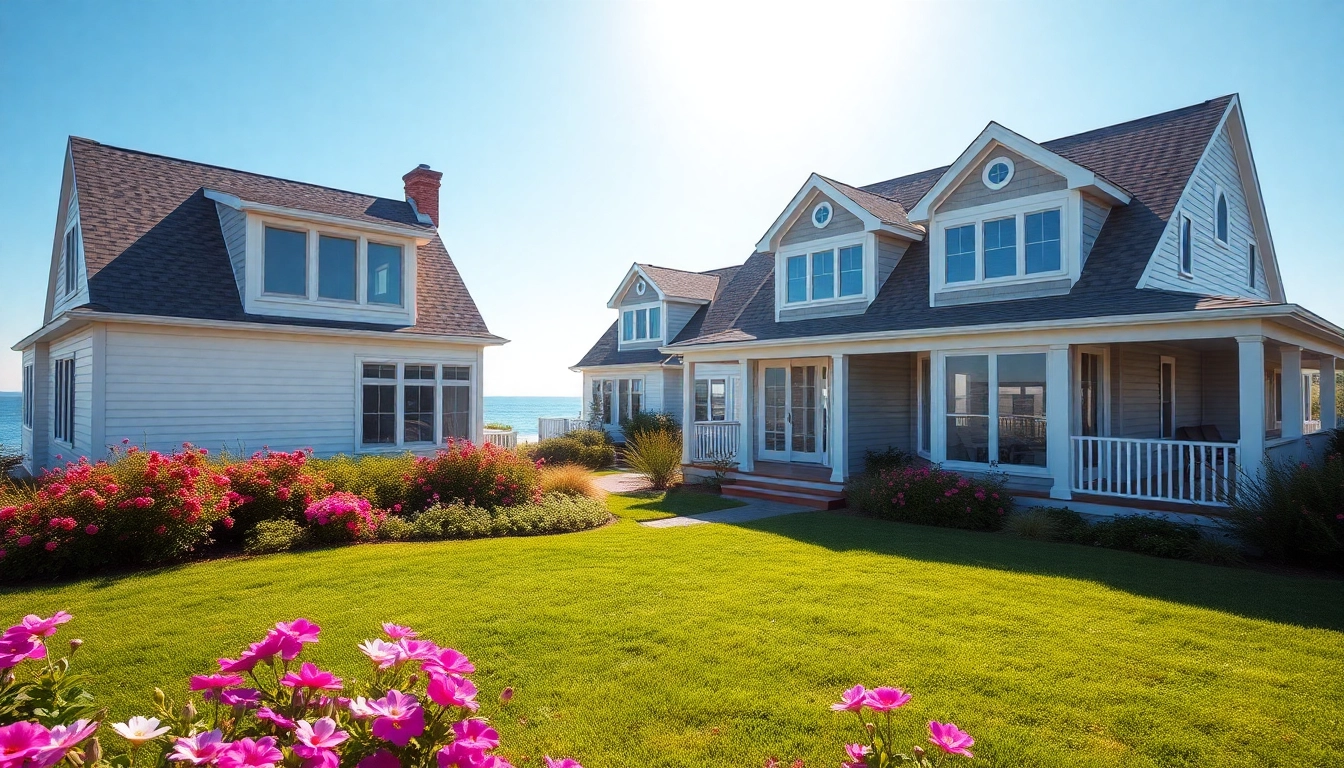
The charm of cape cod homes is deeply rooted in their historical significance and unique design features. These homes, typically characterized by their steep roofs, dormer windows, and shingle siding, offer an inviting aesthetic that resonates with those seeking coastal living. The combination of their historical charm and modern amenities is what often prompts homeowners to choose these structures for their coastal abodes.
Historical Significance of Cape Cod Homes
Originating in the early 1600s, the Cape Cod house was developed as a practical response to the local environment. The pitch of the roof was designed to withstand the harsh winter winds, while the shape was optimized for both conservation of heat and efficient snow runoff. Over the centuries, these homes evolved to maintain their appeal while incorporating modern building techniques. Today, they stand as a statement of American colonial architecture, representing endurance and a deep respect for tradition.
Design Characteristics Unique to Cape Cod Homes
At the heart of Cape Cod design is simplicity. Characterized by their one-and-a-half stories, these homes typically feature symmetrical facades, central chimneys, and practical floor plans. The use of natural materials, such as wood and stone, creates a connection to the surrounding landscape. Large, multi-paned windows allow natural light to pour in, which is essential for homes situated near the ocean.
Regional Variations in Cape Cod Homes
While the classic Cape Cod style remains consistent, regional variations can be found that reflect the local climate and culture. In places like New England, houses may feature more elaborate ornamentation, while those in warmer climates often opt for lighter materials and colors. Understanding these nuances can greatly influence design choices for those looking to build or expand a Cape Cod home.
Planning Your Cape Cod Home Expansion
Expanding a Cape Cod home can enhance its value and functionality. However, planning is crucial to ensure that the expansion aligns with the aesthetic integrity of the existing structure while meeting the homeowner’s needs.
Common Reasons for Expanding Cape Cod Homes
Homeowners often expand for a variety of reasons, including the need for additional living space, modernization, or even to accommodate a growing family. An expansion might also aim to improve energy efficiency or upgrade outdated features. Assessing the primary motivations behind the desire to expand can help in making informed decisions about design and functionality.
How to Choose the Right Design for Your Expansion
Choosing a design for your expansion is influenced by several factors, including budget, the existing home’s architecture, and local zoning laws. Collaborating with architects specialized in Cape Cod designs will ensure that the new structure complements the old, preserving that classic appeal while incorporating amenities that meet modern needs. Trends like open floor plans or extra bedrooms can often be integrated seamlessly.
Assessing Land and Space Needs for Cape Cod Homes
Before any construction begins, homeowners must evaluate their current land and space. This involves examining the lot size, zoning regulations, and available outdoor space. Proper assessment will help identify potential challenges, such as ensuring proper drainage and avoiding overbuilding on the lot.
Enhancing Functionality in Cape Cod Homes
Beyond aesthetics, functionality is crucial in enhancing the living experience in Cape Cod homes. Effective design should not only look appealing but also work efficiently for the family’s lifestyle.
Interior Design Tips for Maximizing Space
When expanding or renovating, consider innovative interior design strategies that emphasize space maximization. Opt for multi-functional furniture, built-in storage solutions, and open-concept layouts to create a more spacious feel. Light-colored walls combined with strategic lighting can also enhance perceptions of space, making rooms feel larger and more inviting.
Sustainable Practices in Cape Cod Home Design
As environmental consciousness grows, so does the popularity of sustainable practices. Incorporating energy-efficient appliances, solar panels, and sustainable building materials can significantly reduce the home’s carbon footprint. Additionally, using recycled materials and water-efficient plumbing systems can further promote eco-friendliness while maintaining the aesthetics of Cape Cod homes.
Utilizing Natural Light Effectively in Your Cape Cod Home
Natural light is a key element in Cape Cod homes. Positioning windows strategically can brighten living spaces and reduce the need for artificial lighting. Skylights can also be great additions, especially in areas with flat roofs. Experimenting with different window types and orientations can result in a stunning, well-lit home that remains energy efficient.
Best Materials for Cape Cod Homes
Selecting the right materials is essential for maintaining the integrity and durability of Cape Cod homes. Factors like climate, maintenance requirements, and cost should heavily influence these decisions.
Choosing Durable and Weather-Resistant Materials
Given their coastal locations, Cape Cod homes should be built with materials that can withstand harsh weather conditions. Options such as fiber-cement siding and roofing materials that resist moisture and wind damage are excellent choices. These materials not only protect the home externally but also contribute to lower long-term maintenance costs.
The Role of Wood and Stone in Cape Cod Design
Wood and stone play significant roles in creating the classic Cape Cod aesthetic. Cedar shingles are often used for siding, while stone accents can provide a rustic touch. These materials not only enhance curb appeal but also help the home blend into its natural surroundings, creating harmony between architecture and landscape.
Eco-Friendly Options for Cape Cod Homes
As sustainability becomes more important, eco-friendly materials like reclaimed wood and recycled metals are gaining traction in Cape Cod home design. These options not only reduce environmental impact but also add a unique character to the home. Innovations in eco-friendly building materials are evolving, offering durable, cost-effective solutions that appeal to environmentally conscious homeowners.
Frequently Asked Questions About Cape Cod Homes
What are the key features of cape cod homes?
Key features of cape cod homes include steep roofs, dormer windows, symmetrical facades, and the use of wood siding, often painted in muted colors. These homes are typically one-and-a-half stories and feature a central chimney.
How can I expand my cape cod home efficiently?
To expand efficiently, consult with an architect to design a seamless addition that matches existing aesthetics. Assess land use regulations and choose materials that ensure durability and harmony with your original structure.
What materials are best for cape cod homes?
Best materials include cedar shingles, stone accents, and durable siding like fiber cement. These materials withstand harsh weather while maintaining aesthetic integrity and reducing upkeep.
What maintenance do cape cod homes require?
Regular maintenance includes checking for wear on shingles, ensuring wood is treated against rot, and inspecting gutters. Regular painting and caulking can also help maintain the home’s exterior condition.
Are cape cod homes energy-efficient?
Yes, with proper insulation and energy-efficient windows, cape cod homes can be very energy-efficient. Homeowners often enhance efficiency through modern heating systems and sustainable practices.