
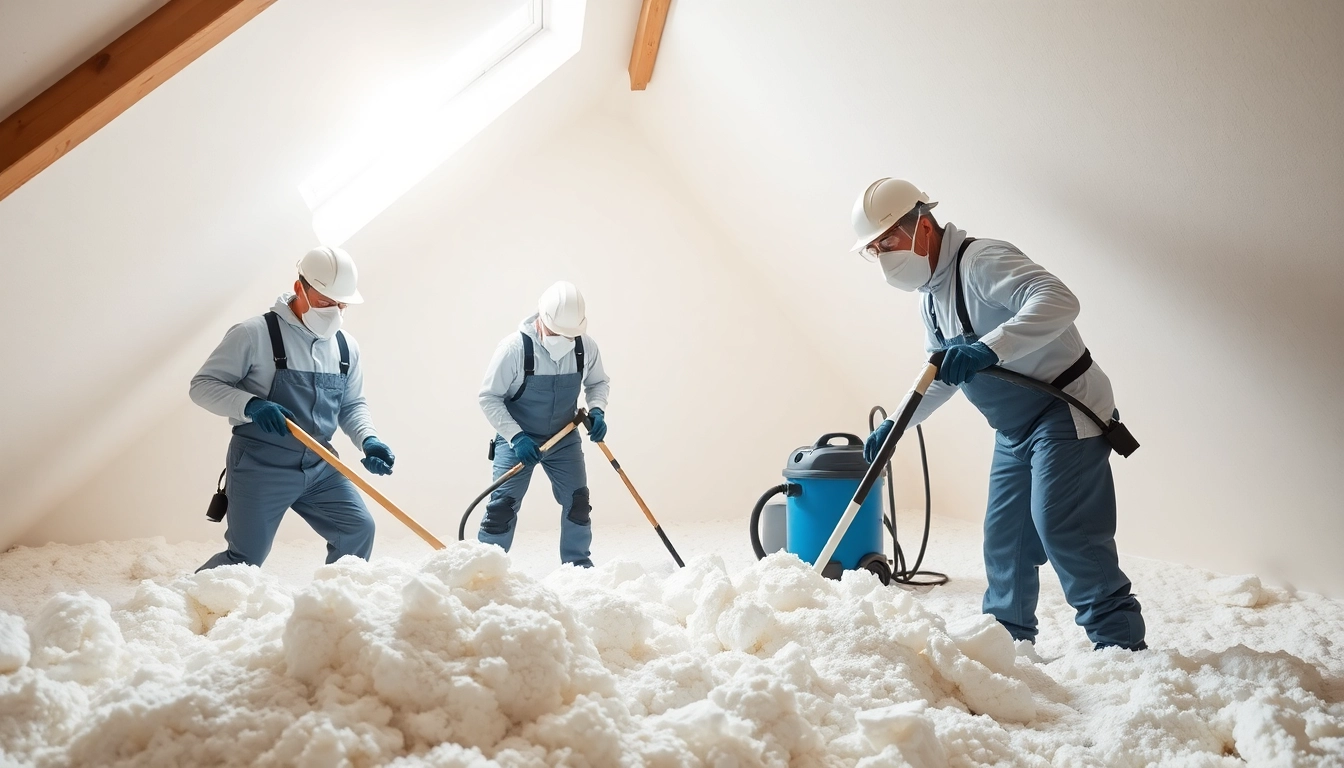
Understanding Spray Foam Removal
What is Spray Foam Removal?
Spray foam insulation has gained popularity for its energy efficiency and ability to seal cracks and crevices in buildings, but circumstances may arise that necessitate its removal. Spray foam removal entails the process of carefully taking out existing foam insulation from various surfaces, particularly when it has deteriorated, become damaged, or is no longer needed. This process requires specialized tools and techniques to ensure that the surrounding structure remains intact and that health risks posed by the chemicals used in the foam are mitigated.
Common Reasons for Spray Foam Removal
There are several factors that may lead homeowners and property managers to consider removing spray foam insulation:
- Damage: Over time, spray foam can deteriorate, leading to reduced effectiveness and potential exposure to allergens.
- Improper Installation: If the initial installation was poorly executed, it may complicate maintenance and lead to air leaks.
- Health Concerns: The chemicals in spray foam can pose health risks. If you’re experiencing adverse effects, removing the foam might be necessary.
- Building Modifications: Renovations or changes in structures may require the complete removal of existing spray foam.
- Upgrading Insulation: Homeowners may seek more efficient insulation alternatives, prompting the removal of spray foam.
Benefits of Professional Removal Services
Hiring professionals for spray foam removal offers several advantages:
- Expert Knowledge: Professionals understand the risks associated with spray foam and have the training to manage them safely.
- Proper Equipment: They utilize specialized tools designed for efficient and effective removal without damaging the underlying structure.
- Time-saving: Experienced technicians can carry out the removal process more quickly and efficiently than DIY attempts.
- Post-removal Support: Many companies provide additional services such as cleanup, inspections, and installation of new insulation if needed.
Finding Reliable Spray Foam Removal Companies
Researching Local Services
When searching for spray foam removal companies, start by looking for local services that have established themselves in your community. Online reviews, recommendations from neighbors, and local business directories can be invaluable resources. Pay attention to ratings on platforms like Google Reviews and Yelp, as well as testimonials on their websites.
Evaluating Company Credentials
Once you compile a list of potential companies, evaluate their credentials. Key factors to consider include:
- Licensing: Ensure the company holds necessary licenses to operate in your area. This ensures compliance with local regulations.
- Insurance: A reputable company should have liability insurance to protect against any damages that may occur during the removal process.
- Certifications: Look for certifications from industry organizations, which indicate a commitment to best practices and adherence to safety standards.
Comparing Service Offerings
Not all spray foam removal companies offer the same services. When comparing options, consider the following:
- Techniques Used: Different companies may employ various methods for spray foam removal. Ask about their techniques and choose one that aligns with your needs.
- Pricing Structure: Obtain quotes from several companies to compare prices, but be wary of unusually low estimates as they may correlate with subpar service.
- Post-Removal Services: Inquire whether they offer additional services such as insulation installation or environmental cleanup following removal.
The Spray Foam Removal Process
Initial Assessment and Planning
The removal process begins with a thorough assessment carried out by the professionals. This evaluation includes identifying the type of spray foam, determining its condition, understanding the surface to which it is applied, and recognizing potential health hazards. Planning involves formulating a detailed removal strategy, outlining timelines, and preparing the workspace to minimize disruption.
The Removal Techniques Explained
Several methods can be employed to remove spray foam, depending on the installation and the type of surfaces they are attached to:
- Mechanical Removal: This technique involves using cutting tools or scrapers to physically remove the foam from surfaces. It is often suitable for flat surfaces.
- Chemical Dissolution: In some cases, specialized solvents can dissolve spray foam, making it easier to remove without extensive scraping.
- Thermal Techniques: Heat can be utilized to soften the foam, allowing for easier mechanical removal.
Post-Removal Cleanup and Inspection
After the foam is removed, cleanup is vital to ensure that residual debris is dealt with and that surfaces are prepared for any subsequent work. The area should be vacuumed and inspected to confirm all foam has been removed. Professionals often conduct air quality tests to ensure no harmful particles remain in the environment before declaring the job completed.
Costs Involved in Spray Foam Removal
Factors Influencing the Cost
The costs associated with spray foam removal can vary greatly depending on multiple factors:
- Size of the Area: Larger areas will naturally incur higher costs due to more time and resources needed.
- Type of Spray Foam: Certain types of foam may be more challenging to remove than others, affecting the price.
- Access Difficulty: Hard-to-reach areas may require additional equipment and personnel, increasing overall costs.
Budgeting for Removal Services
A good rule of thumb for budgeting for spray foam removal is to obtain multiple estimates to gauge the average price range. Be sure that you understand what services are included in the quotes to avoid unexpected expenses.
Hidden Costs to Consider
In addition to the obvious costs, be aware of potential hidden costs:
- Disposal Fees: Proper disposal of materials may incur additional charges.
- Repair Costs: The removal process may damage underlying structures requiring repair.
- Testing and Inspection: Some companies charge for air quality testing or inspections before and after removal.
FAQs About Spray Foam Removal
What should I look for in spray foam removal companies?
Look for experience, customer reviews, insurance, and certification to ensure quality service.
How long does the spray foam removal process take?
Time varies based on the project size, typically lasting from a few hours to a full day.
Is spray foam removal messy?
While some mess is unavoidable, professionals take steps to minimize debris and ensure cleanup.
Can I stay in my home during removal?
It’s recommended to vacate during the process due to dust and fumes for safety reasons.
What can I expect after foam removal?
You should expect a clean environment, potentially improved energy efficiency, and details on next steps.