
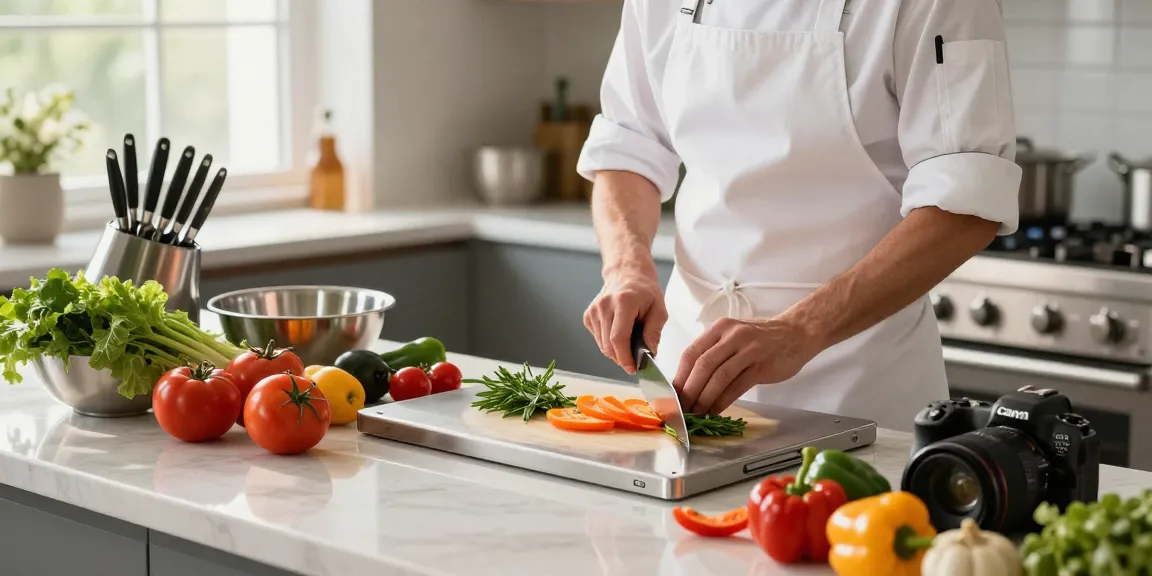
Understanding the Best Titanium Cutting Board
In the realm of kitchenware, the titanium cutting board stands out as a modern marvel, revolutionizing the way we approach meal preparation. Unlike traditional cutting boards, the best titanium cutting board offers unmatched durability, hygiene, and ease of use, making it a favorite among both professional chefs and home cooks alike. With an increasing emphasis on high-quality materials in kitchen tools, understanding the unique qualities of titanium can help you make informed choices for your culinary needs.
What Makes a Titanium Cutting Board Unique?
The key to a titanium cutting board’s uniqueness lies in its composition. Made primarily from 99.9% pure titanium, these cutting boards are not only lightweight but also provide exceptional resistance to staining and odors. Unlike plastic or wooden boards, titanium cutting boards eliminate the risk of harboring bacteria within their surfaces, ensuring a safer food preparation environment. Their non-absorbent nature means they do not retain moisture, making them less likely to warp over time. With features like dual surfaces—a tough titanium side for meats and a softer, BPA-free side for fruits and vegetables—these boards cater to diverse culinary tasks, providing versatility in the kitchen.
Benefits of Using Titanium in Kitchenware
- Durability: Titanium is renowned for its strength and longevity. Unlike wood or plastic, titanium does not scratch, warp, or crack, ensuring that your cutting board remains in optimal condition for years.
- Hygienic: The non-porous surface of titanium prevents food particles and bacteria from becoming trapped, making it easier to clean and maintain.
- Lightweight: Despite its strength, titanium is surprisingly lightweight, offering ease of handling during cooking tasks.
- Temperature Resistance: Titanium can withstand high temperatures without damaging its surface, making it ideal for various kitchen applications.
Comparison with Other Cutting Board Materials
When it comes to choosing a cutting board, several materials compete for the top spot. Here’s how titanium measures up against more traditional options:
- Wood: Wooden cutting boards are prized for their aesthetic appeal and knife-friendliness, but they require significant upkeep and can harbor bacteria if not properly maintained.
- Plastic: Plastic boards are lightweight and easy to clean, but they can scratch easily and often retain odors over time. They also require frequent replacement due to wear.
- Bamboo: An eco-friendly option, bamboo boards are generally less durable than titanium and can warp or crack with excessive moisture.
Choosing the Right Best Titanium Cutting Board
When it comes to selecting the best titanium cutting board for your kitchen, understanding the features and options available is essential. This involves not only recognizing the production quality but also appreciating how different designs can enhance your cooking experience. Exploring options at vendors like best titanium cutting board resources can provide comprehensive insights into the various choices available on the market.
Key Features to Look For
- Thickness: A thicker board generally offers increased durability and stability, making it suitable for heavy-duty chopping.
- Dual-Sided Design: Look for boards with both a hard and soft surface to accommodate different food types.
- Non-Slip Base: This feature enhances safety during food prep, preventing accidents while chopping or slicing.
- Easy to Clean: Ensure the board is dishwasher safe or easy to clean manually to maintain hygiene standards.
Sizes and Designs for Every Kitchen
From compact designs ideal for small kitchens to larger boards that accommodate big meal prep, titanium cutting boards come in various sizes. Consider your cooking habits: do you often prepare large meals or smaller, quicker items? The right size can significantly enhance your cooking efficiency.
Common Misconceptions About Titanium Cutting Boards
Many people may associate higher costs with inferior performance, believing that titanium boards are simply a trend. In fact, the investment in a titanium cutting board pays off in terms of durability, hygiene, and versatility, making it a valuable addition to any modern kitchen.
Maintaining Your Titanium Cutting Board
Proper maintenance is vital for extending the life of your titanium cutting board. With its unique properties, this kitchen tool requires specific care techniques to ensure longevity and performance.
Best Practices for Cleaning and Care
- Immediate Cleaning: Rinse the board with warm water after use to prevent food residues from drying.
- Gentle Cleaning Agents: Use mild dish soap with non-abrasive sponges to clean the surface without scratching it.
- Avoid Soaking: Prolonged exposure to water can affect the board’s integrity; clean promptly and dry immediately.
Long-Term Maintenance Tips
To further preserve your titanium cutting board, store it in a dry environment and avoid exposing it to extreme temperatures, which can affect its structural integrity over time. Regularly inspect for any signs of wear and tear, although titanium boards are known for their longevity.
Signs Your Cutting Board Needs Replacement
Despite their durability, certain indicators may suggest it’s time to consider a replacement. If the cutting surface shows excessive scratching, significant discoloration, or if it has developed uneven surfaces that could affect food prep, it may be time to invest in a new board.
Using Your Best Titanium Cutting Board Effectively
Maximizing the functionality of your titanium cutting board involves understanding how to best utilize it across various cooking techniques.
Cooking Techniques for Different Ingredients
- Meats: The titanium side is specifically designed for cutting through tougher meats, allowing for precise slices without damaging the board.
- Vegetables: Use the softer surface for slicing fruits and vegetables to maintain blade sharpness and prolong the board’s life.
Tips for Safe Knife Use
To prevent dulling your knife, always use a cutting motion rather than pressing down forcefully. Ensure your knives are well-maintained and avoid using excessively heavy tools on the cutting board to preserve its surface.
Creative Ways to Utilize Your Cutting Board
Your titanium cutting board can serve more than just a cutting surface. Use it as a serving platter for charcuterie boards or snacks, taking advantage of its stylish appearance while enhancing your kitchen presentation.
Future of Kitchenware: Trends for 2026 and Beyond
As the kitchenware industry continues to evolve, several exciting trends are emerging that may shape the future of kitchen tools like the titanium cutting board.
Innovation in Materials and Technology
Emerging technologies, such as sustainable manufacturing processes and innovative materials, are set to redefine kitchenware. Expect to see advancements that focus on enhancing durability and functionality while minimizing environmental impact.
Eco-Friendly Practices in Kitchenware Manufacturing
With a growing emphasis on sustainability, manufacturers are increasingly adopting eco-friendly practices. This trend encompasses everything from sourcing materials responsibly to optimizing production processes for less waste.
Predicted Popularity of Titanium in Households
As consumers become more health-conscious and environmentally aware, the demand for materials like titanium, known for their antibacterial properties and longevity, is expected to surge. This shift could make titanium cutting boards a staple in household kitchens across the globe.
How to Maximize the Value of Your Best Titanium Cutting Board?
Investing in a titanium cutting board is just the beginning. To fully leverage its capabilities, combine it with complementary kitchen tools, such as quality knives and storage solutions, enhancing your overall cooking experience.