
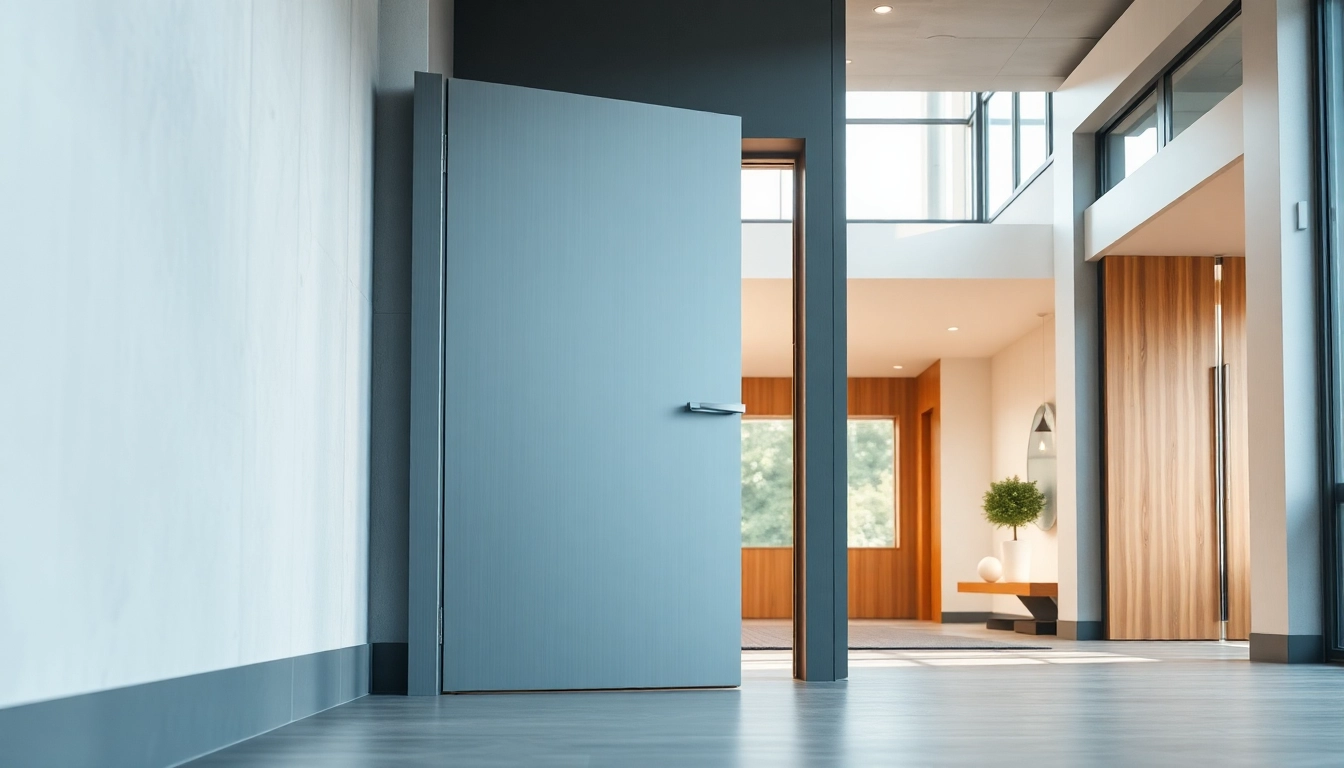
Understanding the Importance of an Exit Door
Definition and Purpose of Exit Door
An exit door is a crucial architectural feature designed to provide a safe and efficient means of egress in an emergency. Whether in residential spaces or commercial buildings, the exit door serves as a designated point of exit, ensuring that occupants can evacuate quickly and safely. These doors are often wider than typical doors and come equipped with panic bars or other emergency exit hardware to facilitate rapid opening under stressful conditions. Understanding their defined role is essential for proper safety planning and compliance with building codes.
Safety Regulations Surrounding Exit Door
Exit doors are subject to various safety regulations defined by local building codes and fire safety standards. These regulations dictate not only the dimensions and placement of the doors but also the materials from which they must be constructed. Compliance ensures that the exit doors remain accessible in emergencies, without obstructions that could impede evacuation.
Regulatory standards often require exit doors to be identifiable by signage, have appropriate hardware for easy operation, and be maintained in good condition. Moreover, certain environments, like schools and hospitals, may have additional regulations that further specify exit door features to enhance safety.
Common Mistakes to Avoid
While the importance of exit doors is widely recognized, several common mistakes can compromise their effectiveness. One frequent error is the improper installation of panic hardware, which can malfunction during a crisis. Another pitfall is neglecting to regularly inspect and maintain exit doors, leading to deterioration that could block egress routes. Additionally, many people overlook the requirement for illuminated exit signs, which may result in confusion during emergencies. Awareness of these common pitfalls can significantly improve safety and compliance.
Types of Exit Doors Available
Residential vs. Commercial Exit Door
Exit doors can be categorized into residential and commercial types, each designed to meet specific needs. Residential exit doors are often simpler and aesthetically integrated into the home’s design. They might include features like sliding mechanisms or French doors, providing both function and style.
Commercial exit doors, on the other hand, are typically subject to stricter safety regulations. They are designed for high traffic and often feature panic bars to allow quick access. In many commercial spaces, these doors must also meet fire code regulations and ensure accessibility for individuals with disabilities, making them equipped with specific hardware and thresholds.
Materials Used in Exit Door Construction
The materials used in the construction of exit doors have a significant impact on their durability and effectiveness. Common materials include:
- Wood: A traditional choice offering aesthetic appeal, wood doors can be suitable for residential environments but may lack durability in commercial settings.
- Steel: Steel exit doors are robust and resistant to force, making them ideal for high-security areas. They often come with fire-resistant ratings.
- Fiberglass: This lightweight material mimics wood while offering excellent durability, maintenance, and energy efficiency.
- Aluminum: Frequently used in commercial applications, aluminum doors are lightweight and resistant to corrosion, making them suitable for various climatic conditions.
Innovative Designs in Exit Door
Recent advancements in design and technology have led to more innovative exit doors. For instance, some newer models incorporate smart technology for enhanced security, allowing for monitoring and control from mobile devices. Other designs prioritize energy efficiency and sustainability, using insulated materials that offer better thermal performance. Additionally, aesthetically pleasing designs include frosted glass panels or custom finishes that blend well with modern architectural styles, proving that safety can indeed be stylish.
How to Choose the Right Exit Door
Assessing Your Space Needs
When selecting an exit door, it’s essential to assess both the specific needs of your space and the intended usage. Consider factors such as the expected foot traffic, the potential need for emergency egress under stress, and the overall design aesthetic you wish to maintain. Each factor plays a crucial role in determining the right type of exit door that satisfies both functionality and compliance.
Budgeting for an Exit Door
Budget considerations are always a crucial aspect of any building project. The cost of exit doors can vary widely based on material, design, and additional features like security locks or automated systems. Establishing a budget helps narrow down options and ensures that the chosen exit door meets both safety requirements and financial limitations. Be wary of choosing the cheapest option, as this might lead to additional costs over time due to maintenance or replacements.
Consulting Professionals for Selection
Consulting with professionals, such as architects or safety experts, can provide valuable insights when selecting an exit door. They can guide you in understanding local building codes, deciding on the right materials, and ensuring compliance with safety regulations. This professional input can save time and resources in the long term, helping you avoid costly mistakes or oversights.
Installation Considerations for Exit Doors
DIY vs. Hiring a Professional
Installing an exit door may seem like a straightforward task, but several factors must be considered. While some homeowners may opt for DIY installation, it’s recommended to hire a professional to ensure that the door is installed correctly and meets all safety codes. Issues like frame alignment and secure hardware installation can significantly affect the overall function of the door. Professional installers possess the expertise needed to handle these complexities.
Necessary Tools for Installation
For those who choose to take on the installation themselves, having the right tools is paramount. Essential tools include a level for ensuring proper alignment, a drill for securing hardware, a saw for any necessary modifications, and safety gear such as gloves and goggles. Proper tool selection and an understanding of their use can lead to a successful installation.
Common Installation Mistakes to Avoid
When installing an exit door, it’s vital to avoid common mistakes that can lead to functional issues. One frequent error is failing to adequately secure the doorframe, leading to gaps that compromise safety and insulation. Another issue is improper placement of panic hardware, which may not function as intended during emergencies. Proper measurements are critical; be sure to double-check all dimensions before cutting or installing.
Maintenance Tips for Exit Doors
Regular Inspections for Wear and Tear
To ensure that your exit door remains functional and safe, regular inspections for wear and tear are crucial. Check for rust on metal doors, cracks in wooden frames, or any obstructions in the door’s pathway. Regular maintenance helps identify issues before they escalate, ensuring that the door remains compliant and operational.
Cleaning and Upkeep Practices
Cleaning exit doors may seem trivial, but it’s an essential part of maintenance that enhances both aesthetics and function. For wooden doors, regular dusting and occasional polishing help preserve the finish, while steel or fiberglass doors may only require standard cleaning with mild soap and water. Keeping hinges lubricated will also ensure smooth operation and prevent unnecessary wear over time.
Troubleshooting Common Issues
Exit doors may face various issues over time, such as sticking or difficulty in opening. Common reasons for these problems include misalignment or swollen wooden frames. If you find the door sticking, check for surface warps or obstructions, and make necessary adjustments. Being proactive about these issues can prolong the life of your exit door significantly.
FAQs
- What is the primary function of an exit door? An exit door provides a designated means of egress to ensure safety and compliance with building regulations.
- Are there different types of exit doors? Yes, exit doors vary in types, including residential, commercial, and specialized designs for various needs.
- How do I know if my exit door meets safety codes? Check local building codes; consulting an expert is advisable to confirm compliance.
- What materials are exit doors commonly made from? Common materials include wood, steel, fiberglass, and aluminum, each having unique properties.
- Can I install an exit door myself? While it’s possible, hiring a professional is recommended to ensure proper installation and adherence to regulations.