Understanding the Colonial Home Renovation
Colonial home renovations represent a unique blend of historical reverence and modern innovation. In undertaking such a project, homeowners often navigate the delicate balance between maintaining a house’s historical integrity while infusing it with contemporary comforts. Through colonial home renovation, one can rejuvenate a vintage property, ensuring it resonates with current living standards without losing its charm.
Defining Colonial Architecture Styles
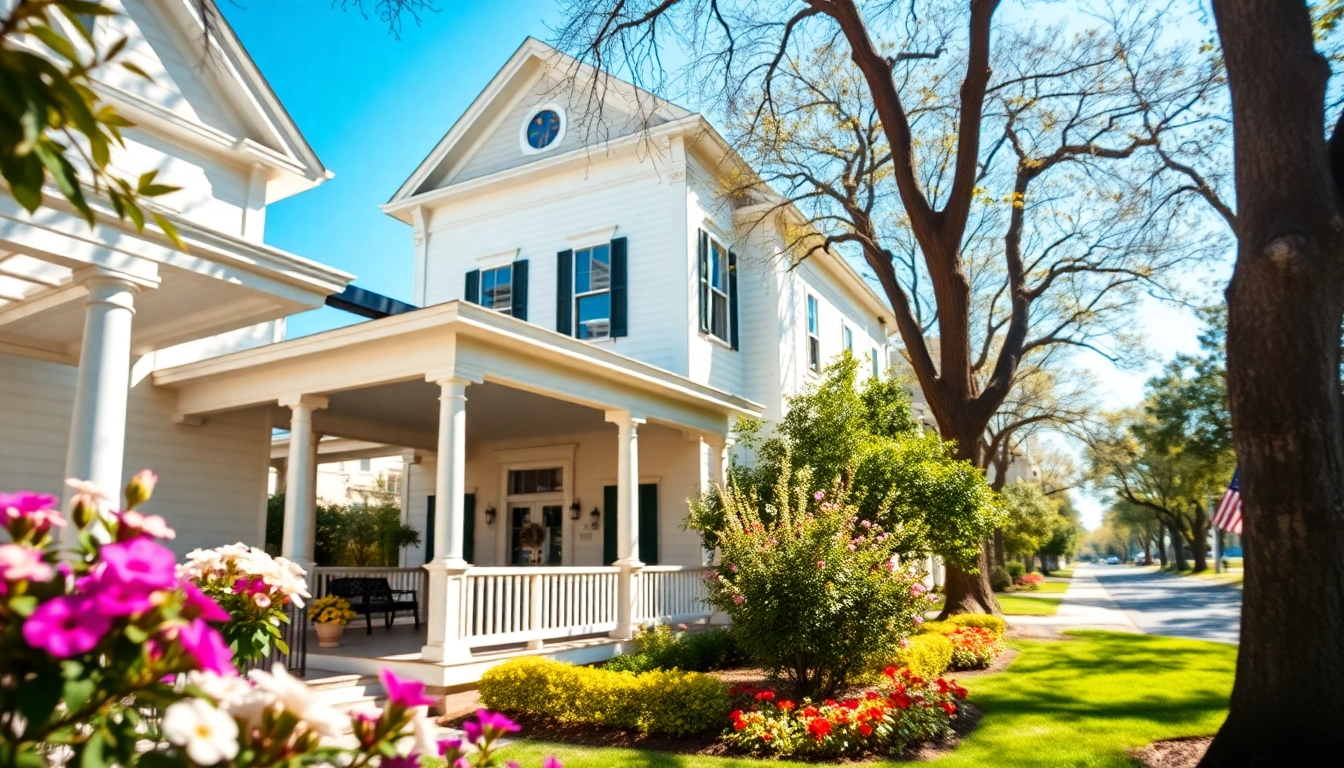
Colonial architecture is characterized by diverse styles, each reflecting the era it originated from. From the simple and functional designs of Early American homes to the more elaborate Georgian facades, colonial homes offer a window into the past. Common features include:
- Symmetrical Facades: A hallmark of colonial architecture, these provide balance and order.
- Gabled Roofs: This design element adds significant character and functionality, aiding in water drainage.
- Traditional Materials: Wood, brick, and stone were commonly used, reflecting the building techniques of their time.
Understanding these elements is crucial for any homeowner aiming to retain authenticity when renovating.
Importance of Historical Preservation
Preserving the historical elements of a colonial home is vital not just for aesthetic reasons, but also for cultural heritage. These homes often represent historical narratives tied to their locales. By maintaining original features such as fireplaces, moldings, and woodwork, homeowners can ensure these stories continue to resonate with future generations. Additionally, preserved structures often command higher market value, making them more appealing in the real estate market.
Benefits of Renovating Colonial Homes
Renovating a colonial home offers numerous advantages:
- Enhanced Comfort: Updating insulation and heating systems significantly improves energy efficiency and comfort.
- Preservation of Value: A well-executed renovation can increase the home’s market value, making it a sound investment.
- Modern Amenities: Integrating contemporary conveniences without compromising historical integrity can elevate the living experience.
Such renovations can breathe new life into these homes, making them suitable for modern living while retaining their charm.
Planning Your Renovation
Before embarking on a colonial home renovation, careful planning is essential to ensure a successful transformation. Such projects involve multiple aspects pertaining to budget, materials, and design considerations.
Setting a Budget for Colonial Home Renovation
Establishing a budget is the cornerstone of any renovation effort. Start by determining your priorities. What aspects of the home do you wish to preserve or restore? Once your priorities are set, research costs associated with these renovations, factoring in elements such as:
- Materials and finishes
- Labor costs
- Permits and inspections
- Contingency funds for unexpected expenses
A well-defined budget will keep your project on track and minimize financial surprises.
Choosing the Right Materials
Materials play a significant role in the authenticity and lifespan of a renovation. When selecting materials for a colonial home:
- Stick to Historical Textures: Choose wood, brick, and stone that reflect the original construction period.
- Energy-Efficient Options: Many modern materials provide energy efficiency that can complement historical aesthetics.
- Local Sourcing: Whenever possible, select materials sourced from local suppliers to maintain authenticity and support community businesses.
This thoughtful layering of new and old materials can create a seamless transition while ensuring durability.
Design Considerations for Colonial Homes
Designing a renovation for a colonial home requires a nuanced approach. Consider the following:
- Floor Plans: Colonial homes often feature defined room layouts. Consider how space can be opened up without losing historical context.
- Preservation of Architectural Features: Strive to keep original moldings, staircases, and fireplaces intact as focal points.
- Color Schemes: Choose hues that reflect historical palettes; muted, earthy tones often work well.
Ultimately, the design should tell the story of the home while catering to modern needs.
Execution of the Renovation
The execution phase is where your planning comes to fruition. A clear strategy involves deciding between hiring professionals and opting for a DIY approach.
Hiring Professionals vs. DIY
Some homeowners may choose to tackle renovations themselves, particularly for smaller projects. However, hiring professionals can provide several advantages, including:
- Expert Inspections: Professionals can identify potential issues that may not be visible to the untrained eye.
- Quality Workmanship: Skilled tradespeople bring expertise that often results in superior finishes.
- Time Efficiency: Projects managed by professionals typically see more efficient timelines than DIY efforts.
Ultimately, the decision between DIY and hiring professionals should consider project scope, budget, and your level of expertise.
Permits and Regulations to Consider
Before initiating any restoration work, it’s vital to understand local building codes and preservation regulations. Failing to secure necessary permits can lead to legal complications down the line. Key steps include:
- Check Local Laws: Research the specific regulations in your area to avoid fines and delays.
- Historic Preservation Guidelines: Follow guidelines if your home is listed in a historic district.
- Permit Applications: Apply for the necessary permits before beginning work.
Staying compliant with regulations ensures that your renovation remains on schedule and lawful.
Managing the Renovation Timeline
Effective time management is critical during any renovation. To streamline the process:
- Create a Detailed Schedule: Include timelines for each phase of the project, from initial inspections to final touches.
- Set Milestones: Identify key completion points to measure progress effectively.
- Maintain Open Communication: Regular updates with contractors will help address any issues that may arise.
By carefully managing timelines, your renovation will proceed smoothly and without unnecessary stress.
Incorporating Modern Amenities
Integrating modern amenities into colonial homes adds functionality while respecting historical aesthetics. Here’s how you can successfully merge old meets new.
Balancing Modernity with Tradition
The key to a successful renovation lies in blending contemporary features with traditional designs. Consider:
- Subtle Integrations: Features such as modern lighting or open layouts can thoughtfully coexist with traditional architecture.
- Smart Home Technology: Use compatible tech that enhances efficiency without detracting from the home’s character.
- Decorative Elements: Select modern furnishings that complement and highlight the colonial style rather than fight against it.
This balance creates a home that feels both fresh and rooted in history.
Smart Technology in Colonial Spaces
Smart technology enhances modern living while maintaining the essence of colonial homes. Popular smart installations include:
- Smart Thermostats: Optimize energy consumption by managing heating and cooling schedules.
- Smart Security Systems: Increase safety with modern surveillance options that blend effortlessly into the home.
- Integrated Lighting Systems: Control lighting remotely and set scenes for various occasions without intrusive installations.
These solutions not only modernize your home but also improve functionality and comfort.
Energy Efficiency Upgrades for Older Homes
Improving energy efficiency is particularly beneficial in older colonial homes. Strategies include:
- Improved Insulation: Upgrading insulation helps maintain comfortable temperatures and minimizes energy costs.
- Energy-Efficient Windows: Replacing single-pane windows with double-glazed options significantly reduces heat loss.
- HVAC Systems: Updating heating and cooling systems for modern, efficient models ensures comfort year-round.
Investing in these upgrades can yield long-term savings and environmental benefits.
Final Touches and Enhancements
Completing a renovation project involves meticulous attention to detail, particularly in the finishing touches that enhance the overall aesthetic and functionality of the home.
Interior Design Ideas for Colonial Homes
The interior decor of colonial homes can reflect both their historical roots and modern sensibilities. Key design ideas include:
- Classic Furniture: Opt for statement pieces that embody the elegance of colonial design.
- Wall Treatments: Use wallpaper or paint colors that echo historical patterns.
- Textural Harmony: Embrace soft textiles that lend warmth and comfort; think rugs, drapes, and cushions.
These design choices enhance the character of colonial homes while ensuring they remain livable and inviting.
Landscaping Tips to Complement Your Renovation
A well-thought-out landscape design enhances the exterior appeal of colonial homes. Consider the following:
- Historic Plant Choices: Select plants that would have been common during the colonial period, such as boxwoods or flowering perennials.
- Pathways and Fencing: Incorporate traditional materials like brick or stone for walkways and hedges for property borders.
- Outdoor Living Spaces: Create patios or decks that respect the historical charm while serving modern outdoor needs.
Thoughtful landscaping serves to frame your home beautifully, enhancing its overall ambiance and appeal.
Enhancing Curb Appeal After Renovation
Improving curb appeal is a final step that can significantly impact the perception of your home. To boost your colonial home’s street presence:
- Regular Maintenance: Keep your landscape tidy and well-kept to present an inviting exterior.
- Architectural Details: Restore original features like shutters, cornices, and railings to enhance visual appeal.
- Color Coordination: Utilize a cohesive color scheme for your exterior that complements your home’s architectural style.
Enhancing curb appeal not only beautifies your home but also increases its value and charm.
Frequently Asked Questions
What are key features of colonial architecture?
Colonial homes often feature symmetrical facades, gabled roofs, and traditional materials like wood and brick, showcasing historical craftsmanship.
How do I budget for a colonial home renovation?
Start by determining your priorities, researching costs, and allocating funds for materials, labor, and unexpected expenses.
Do I need permits for renovating a colonial home?
Yes, securing the necessary permits is essential to comply with local regulations, especially for structural changes or historic preservation.
Can I incorporate modern designs in a colonial home?
Absolutely! You can blend modern elements with traditional fixtures, creating a seamless transition while preserving the home’s character.
What is the best way to enhance curb appeal?
Regularly maintain landscaping, add classic architectural details, and choose a complementary color scheme to elevate your home’s exterior charm.