
Understanding the Roofing Industry in 2026
The roofing industry is experiencing a significant transformation as we approach 2026, thanks to advancements in technology, changes in consumer preferences, and increased awareness around sustainability. As homeowners increasingly prioritize energy efficiency and durability, roofing professionals must stay abreast of current trends to remain competitive. This landscape is also influenced by an aging workforce and the necessity for enhanced safety protocols, driving the need for innovative solutions and practices. By understanding these dynamics, roofing companies can position themselves effectively to meet evolving market demands and capitalize on new opportunities.
Current Trends and Innovations in Roofing
Today’s roofing industry is marked by several key trends that are set to shape its future. One notable innovation is the rise of energy-efficient roofing materials, such as cool roofs and solar shingles, which reflect sunlight and reduce heat absorption, ultimately lowering energy costs. Another trend is the increasing integration of technology, including drones for roof inspections and management software to streamline operations and improve project management efficiency.
- Cool Roofing: This innovative roofing technology utilizes reflective materials that help keep buildings cool during hot weather, significantly reducing air conditioning costs.
- Solar Roofs: Photovoltaic shingles allow homeowners to harness solar energy without the aesthetic impact of traditional solar panels.
- Drones for Inspections: Drones provide high-resolution imagery and data that can enhance precision in inspections, promoting timely maintenance and repairs.
Common Misconceptions about Roofing Practices
Despite the advancements within the roofing industry, there remain several misconceptions that can confuse homeowners and even professionals. One prevalent myth is that all roofing materials are created equal. In reality, materials vary widely in terms of durability, cost, and environmental impact. Another misconception is that regular maintenance is unnecessary; however, routine inspections are crucial to prolonging a roof’s lifespan and preventing costly repairs. Addressing these misconceptions is vital for educating clients and promoting informed decision-making.
The Importance of Quality Materials in Roofing
Quality materials play a crucial role in the longevity and effectiveness of roofing systems. Investing in high-grade materials can mitigate issues like leaks, drafts, and energy loss, ultimately saving homeowners money in the long run. Additionally, superior materials often come with better warranties and performance guarantees, providing added assurance to clients. Examples of high-quality roofing materials include architectural shingles, metal roofing, and modified bitumen membranes, each offering distinct advantages based on location and climate.
Essential Roofing Techniques for Professionals
As the roofing market evolves, so too do the techniques employed by roofing professionals. Contractors must continually refine their skills and adopt new methods that align with current best practices.
Advanced Shingle Installation Methods
Proper installation of shingles is critical to maximizing their performance and lifespan. Advanced techniques such as staggered seams, enhanced underlayment placement, and the use of starter strips can improve the integrity of the installation. With the correct approach, roofers can reduce the risk of leaks and damage significantly, leading to higher customer satisfaction and fewer service calls.
Membrane Roofing: An Overview of Installation
Membrane roofing, particularly for commercial applications, requires specific installation techniques to ensure durability and waterproofing. The use of heat-welded seams, proper substrate preparation, and correct drainage design are essential components that must be mastered by roofing professionals. Each of these elements contributes to the roof’s overall lifespan and performance, making adherence to best practices paramount.
Common Mistakes and How to Avoid Them
Even seasoned roofing professionals can fall prey to common mistakes that can lead to costly repairs. One frequent error is neglecting proper ventilation, which can cause heat and moisture to build up, damaging the roofing structure. Another issue is inadequate inspections prior to installation, which can lead to unforeseen complications down the line. To avoid these pitfalls, professionals should implement thorough checklists and training sessions to reinforce best practices.
Safety Protocols in Roofing Work
Safety remains a top priority in roofing work, and understanding applicable regulations is crucial for protecting both workers and clients.
Understanding OSHA Regulations for Roofers
The Occupational Safety and Health Administration (OSHA) sets forth regulations that are vital for ensuring safe roofing practices. These regulations cover fall protection, ladder safety, and the use of personal protective equipment (PPE). Familiarizing oneself with these guidelines is essential for every roofing professional to create a safe working environment and avoid potential liabilities.
Equipment and Gear for Safe Roofing Practices
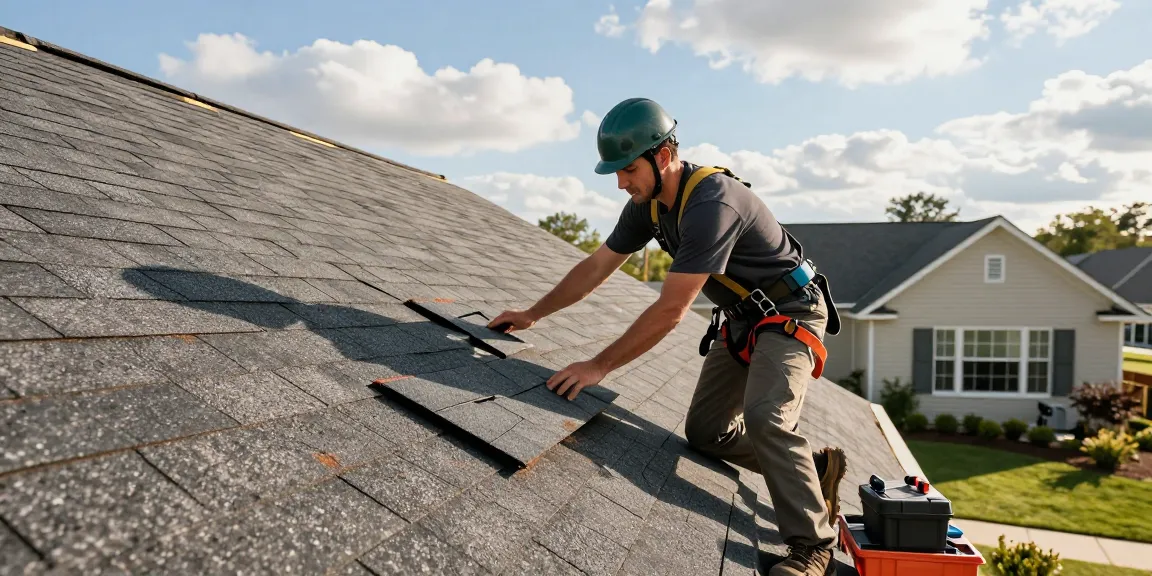
Proper equipment and gear are fundamental components of safety in roofing. Essential tools include harnesses, helmets, and non-slip footwear, which collectively reduce the risk of accidents. Additionally, roofers should regularly inspect their equipment for wear and tear to ensure optimal performance and safety.
Emergency Response Plans for Roofing Jobs
Every roofing company should have a well-defined emergency response plan in place. This includes protocols for responding to accidents, severe weather, and other unexpected situations. Training employees on these procedures ensures that they are prepared to act swiftly and effectively, minimizing risks and protecting lives.
Building a Successful Roofing Business
In a competitive market, building a successful roofing business requires a multifaceted approach that focuses on marketing, customer relations, and pricing strategies.
Marketing Strategies for Roofing Companies
Effective marketing strategies are essential for capturing a larger share of the roofing market. Businesses should leverage digital marketing tactics, such as creating engaging content and utilizing social media platforms to reach a broader audience. Furthermore, establishing a solid online presence through a user-friendly website can enhance visibility and attract potential clients. For comprehensive insights into the roofing industry, https://avatarroofing.com/roofing/ offers valuable resources.
Managing Client Relationships Effectively
Strong client relationships are crucial for repeat business and referrals. Roofing companies should prioritize transparency, communication, and trust-building with clients. Tools such as Customer Relationship Management (CRM) software can streamline interactions and help track client preferences and project history for a more personalized service.
Pricing Your Roofing Services Competitively
Pricing strategies can significantly impact a roofing business’s success. It is essential to conduct a thorough market analysis to understand local pricing trends and set competitive yet profitable rates. Educating clients on the value of quality workmanship and materials is vital in justifying pricing, leading to greater client satisfaction and loyalty.
Future of Roofing: What to Expect by 2026
As we look towards 2026, the roofing industry is poised for further advancements driven by technology, sustainability, and changing consumer behaviors.
Emerging Technologies in Roofing Solutions
Emerging technologies are revolutionizing the roofing sector. Innovations like artificial intelligence (AI) and machine learning are being integrated into roofing management software to provide predictive maintenance insights. Additionally, advancements in material science are leading to the development of more resilient and sustainable roofing options that cater to modern demands.
Sustainable Roofing Practices and Materials
Sustainability is becoming a crucial focus in roofing, with an increasing emphasis on eco-friendly materials and practices. Green roofs, which incorporate vegetation, not only reduce heat but also improve air quality and biodiversity. The adoption of recycled materials and energy-efficient solutions is expected to rise, driven by consumer demand and regulatory pressures.
Market Predictions for Roofing Professionals
Market predictions indicate steady growth in the roofing industry, as urban development and the need for renovation projects continue to escalate. Professionals should prepare for shifts in consumer preferences towards sustainable options and advanced technologies, ensuring they remain relevant and competitive. Staying informed and adaptable will be vital for thriving in the evolving landscape of roofing.
What are the most common roofing materials?
Common roofing materials include asphalt shingles, metal panels, clay tiles, and slate. Each material has its own set of benefits and should be selected based on the climate, aesthetics, and budget of the homeowner.
How can I choose a reliable roofing contractor?
Choosing a reliable roofing contractor involves checking credentials, obtaining multiple quotes, reading reviews, and verifying insurance and warranties. Ensuring that the contractor has a solid reputation can significantly impact the quality of the work performed.
What are the signs my roof needs replacement?
Signs that a roof may need replacement include visible sagging, cracked or missing shingles, water stains on ceilings, and age-related wear. Regular inspections can help identify these issues early.
How often should roofs be inspected?
Roofs should generally be inspected at least twice a year, preferably in spring and fall, to catch any issues before they worsen. Additionally, inspections after severe weather events are advisable.
What are the benefits of energy-efficient roofing?
Energy-efficient roofing can significantly reduce utility bills, enhance indoor comfort, and contribute to environmental sustainability. Improved insulation and reflective materials work together to minimize energy consumption.